 Home
Home About
About Product
 News
News  Media channels
 Guide
GuideLiving in Japan, work pay electricity and water bills Paying on time not only helps you avoid losing service but also gives you peace of mind in your daily life. This article will guide you in detail on 5 ways to pay electricity and water bills in Japan - simple, convenient and diverse for you to choose from.
How are electricity and water bills calculated in Japan?
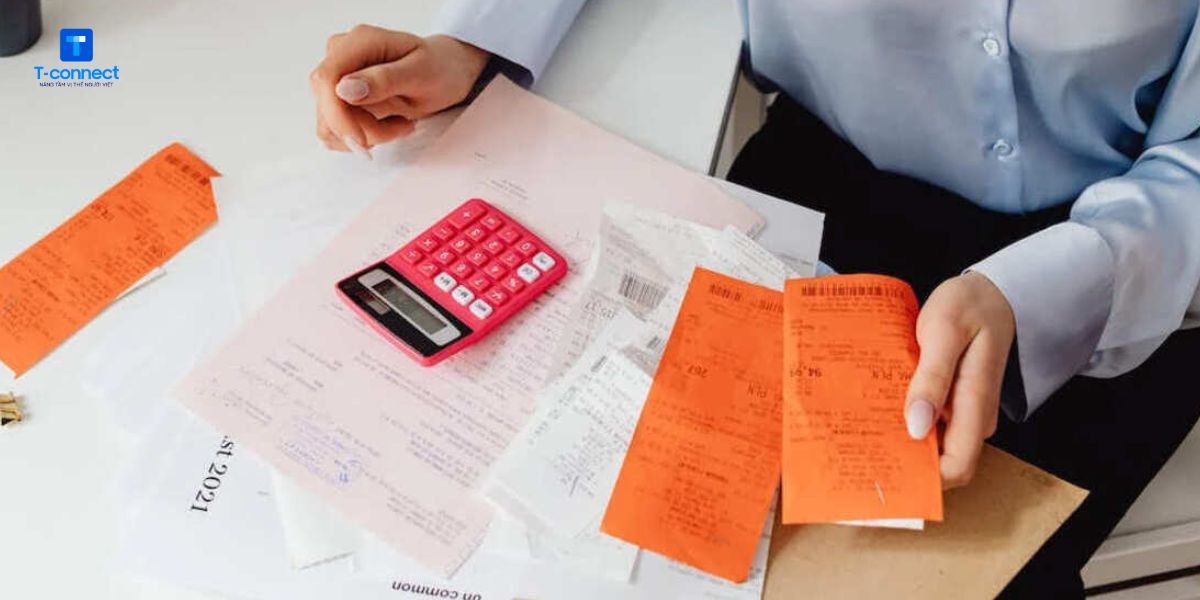
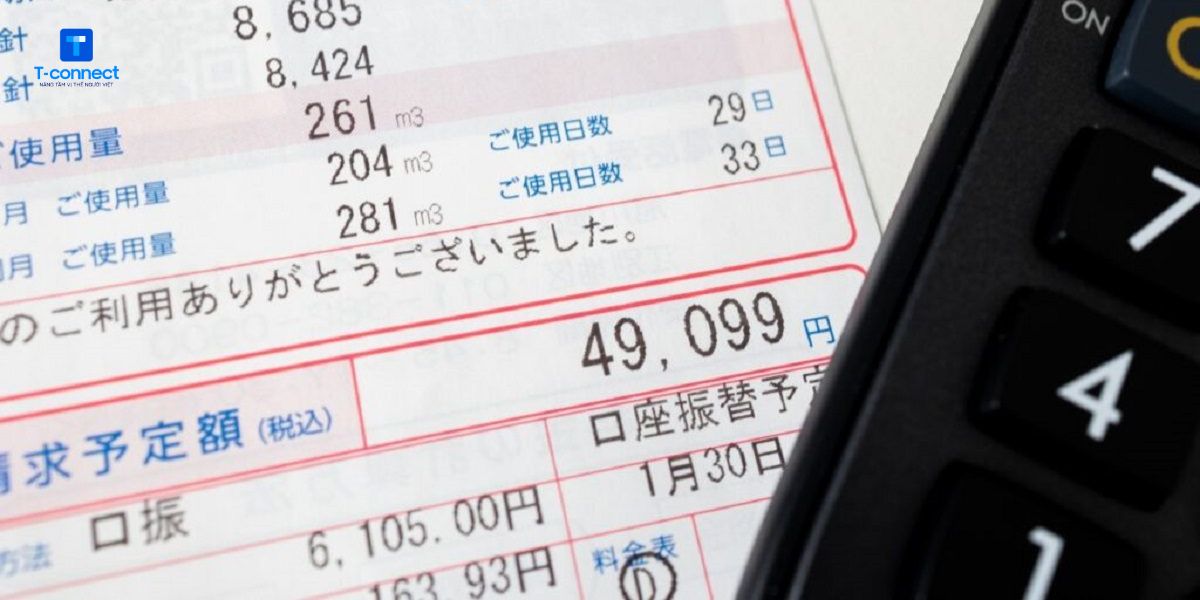
Before going into the payment instructions, we need to have a basic understanding of how electricity and water bills are calculated in Japan. Every month, users will receive a bill based on the amount of electricity or water consumed, and the fee will vary depending on the amount of use, region, service provider, and each local support policy.
Electric
Electricity bills in Japan are typically calculated on a three-tiered scale. The more kWh you use, the higher the price. In addition, during the summer and winter, electricity consumption spikes due to the use of air conditioning and heating, so your bill can increase significantly. Your electricity company will send you a bill to your home or send it online if you have an online account.
Nook
Water is charged per cubic meter (m³) used per month. Water is generally cheaper than electricity, but if you live with other people or use water for appliances like washing machines and bathtubs regularly, this figure can be higher than average. Like electricity, water bills are sent periodically.
5 ways to pay electricity and water bills in Japan
In Japan, you have many different ways to pay your utility bills, depending on your needs and convenience. Below are 5 popular ways to pay utility bills in Japan, used by many people and highly appreciated for their flexibility.
Pay directly at convenience stores (combini)
This is the most popular way to pay your electricity and water bills in Japan due to its convenience. Convenience stores such as 7-Eleven, FamilyMart, and Lawson operate 24/7 and are everywhere. You just need to bring your barcoded receipt and cash to the counter. The staff will scan the barcode and you pay, then receive a confirmation receipt. This method does not charge a transaction fee and allows cash payments, which is very suitable for those who are not familiar with the Japanese banking system.
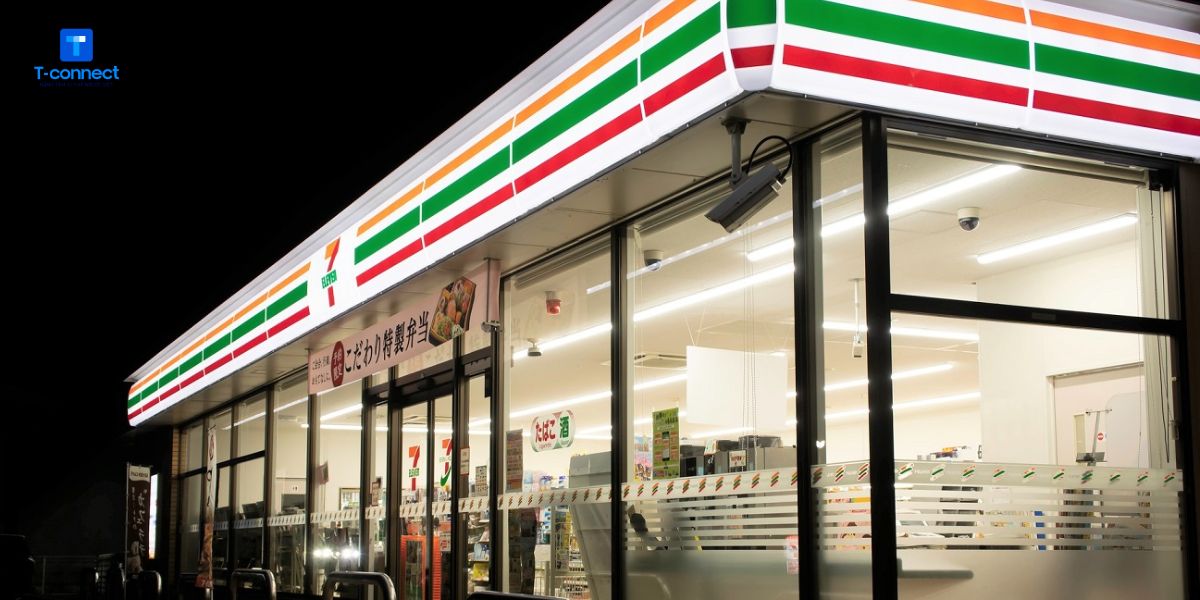
The service time at the combini is 24/24, helping you to be more proactive in choosing the time of payment. After payment, the bill will be stamped by the staff and returned for you to keep as evidence.
Advantage:
- No bank account or credit card required, very suitable for newcomers to Japan.
- Convenience store system is dense, open 24/24, easy to access.
- Fast implementation, no need to manipulate much on technology devices.
Disadvantages:
- Remember the payment date and bring the bill to the store on time.
- If you lose your invoice or it is overdue, you will not be able to pay this way.
- You can't be proactive about your payment schedule if you're often away from home.
Sign up for automatic deduction from your bank account
This method of paying electricity and water bills in Japan is popular among many Japanese people because it is automatic and convenient. You need to fill out a registration form (口座振替依頼書) at the bank or send it directly to the electricity/water company. After successful registration, the electricity and water bill will be automatically deducted on the due date every month.
To apply, you will need to prepare your bank account information, a seal (inkan) or signature, and customer information from your invoice. Processing time usually takes 1-2 months. Some banks also offer a fee reduction (usually 55 yen/month) for paying by account. This method is especially suitable for busy people who do not want to worry about forgetting to pay.
Advantage:
- Automatic and stable, no need to worry about forgetting to pay.
- No need to go to the payment location or do any operations every month.
- Suitable for people with busy schedules or shift work.
Disadvantages:
- Need to have a bank account in Japan and go through registration procedures.
- The registration process may require filling out forms in Japanese, which may take time at first.
- If the account does not have sufficient funds on the deduction date, the transaction will fail and may be subject to a penalty.
Payment via phone app
This is the most modern way to pay utility bills in Japan, suitable for the digital age. Popular apps such as PayPay, LINE Pay, au PAY, d払い all support utility bill payments. You just need to scan the QR code on the bill with your phone camera and confirm the payment.
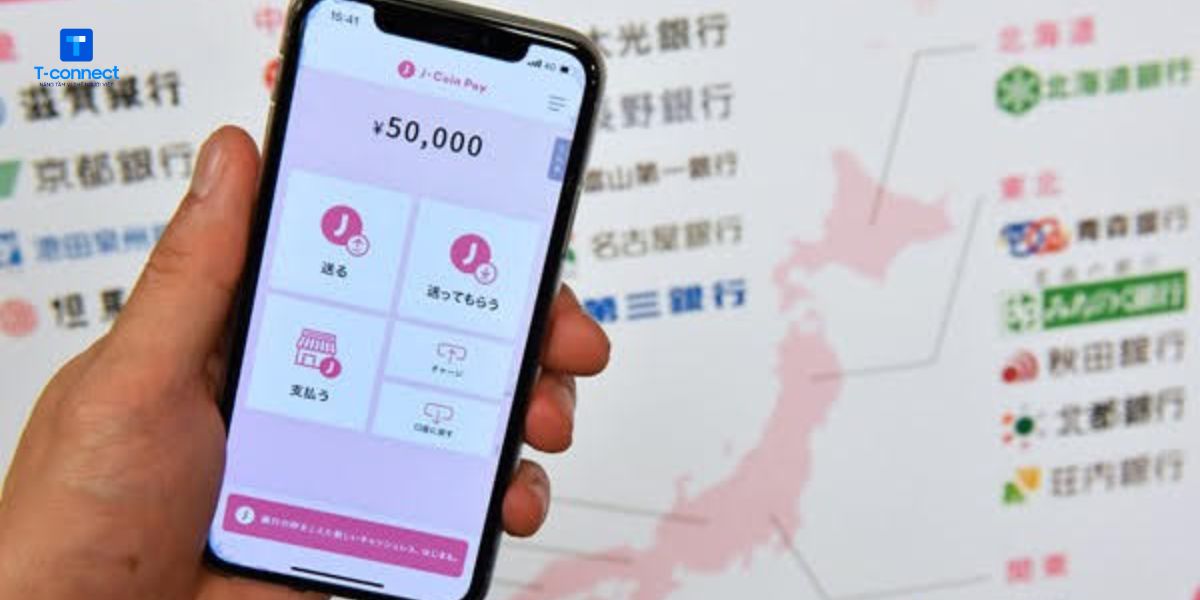
The payment process is very simple: open the app, select the bill payment function (請求書払い), scan the QR code or enter the bill number, check the information and confirm the payment. This method allows payment 24/7 anywhere with internet, no need to go out or queue. Many apps also have attractive points or cashback programs. However, you need to have a linked bank account and enough balance in the app.
Advantage:
- Fast, convenient, just operate on the phone.
- Can be done anytime, anywhere, regardless of time or location.
- Some apps also have cashback offers when paying bills.
Disadvantages:
- Requires a smartphone and stable internet connection.
- Can be difficult to use if you are not familiar with digital manipulation or cannot read Japanese.
- Not all invoices support payment through all apps (some apps limit companies or barcode types).
Payment by credit card
If you use a credit card, you can sign up for regular utility payments through your service provider's online payment system. This not only helps you control your cash flow through your monthly statement, but also earns you reward points from your card if your bank has a promotion program.
However, it is important to check your card's payment limit and make sure you are not late on your credit card payments, as this may affect your personal credit history in Japan.
Advantage:
- You can earn reward points or cash back from your credit card.
- It's easier to manage your finances when all your expenses are consolidated into one monthly report.
- No need to go out or do much every month.
Disadvantages:
- Not all companies support credit card payments.
- A credit card issued in Japan is required, not everyone is eligible to open one.
- If you do not control your spending well, it is easy to incur debt or high interest rates.
Payment at the office or store of the company issuing the invoice
This traditional way of paying utility bills in Japan is still maintained for customers who prefer direct transactions. Electric companies such as TEPCO, Kansai Electric or local water companies all have customer transaction offices or authorized stores.
Here, you can pay by cash or card, and get direct advice on service-related issues. Staff can answer questions and help change contract information if needed. However, this method has the disadvantage of limited working hours (usually 9:00-17:00 on working days) and may have to wait in line.
Advantage:
- There are staff to support and clearly explain the problems if there are errors in the invoice.
- Some places have foreign language support, which is convenient for those who are not good at Japanese.
- Overdue bills can be paid.
Disadvantages:
- Office hours are usually only during business hours.
- You must travel to the correct headquarters or designated location.
- There may be queues or waiting during peak hours.
Important notes when paying electricity and water bills in Japan
To make the payment go smoothly, you need to understand some important notes when applying the method of paying electricity and water bills in Japan.
- Payment on time: If late, the supplier has the right to cut off service; you must contact to pay and request restoration (usually have to call in Japanese)
- Choose the appropriate method: If you are not fluent in Japanese, choose to pay via combini or an app with English to avoid errors.
- Keep receipts: Receipt of payment at convenience store or bank will be important evidence if a dispute arises.
- Discount: Many companies offer reduced fees if you switch to electronic billing and automatic payments.
Top Q&A
What to do when not receiving electricity bill?
If you do not receive the invoice, you can check it through the online account or app of the company providing it. If you still do not see it, you should contact the customer service department directly or via email to request a resend.
Will I have my electricity and water service cut off if I am late paying my electricity and water bill in Japan?
Yes, if you miss a payment, your service will be disconnected. Typically, the company will send you a final reminder 20-30 days after the payment is due. If you still haven't paid after another 10-15 days, your service will be disconnected. The service reinstatement fee is usually 3.000-5.000 yen.
Can I pay online if I don't know Japanese?
Many apps now support English, such as PayPay, Rakuten, etc., but setting up an initial account may require some understanding of Japanese. You should ask a Japanese acquaintance for help or use a convenience store if you are not familiar with it.
Are there cost-effective payment options?
For example, signing up for automatic payments reduces processing fees; using e-invoicing avoids paper costs, and paying by credit card can earn rewards points.
Knowing how to pay your utility bills in Japan is an essential skill for living in the land of the rising sun. The most important thing is to choose a way to pay your utility bills in Japan that suits your financial situation and personal habits. Don't forget to make payments on time to avoid unnecessary trouble and maintain your personal reputation in Japan.
T-connect is a reputable telecommunications company that provides SIM and internet services and supports the Vietnamese community in Japan to live conveniently - including paying electricity and water bills online easily with stable connection and reasonable fees.

T-connect & DCOM signed a cooperation agreement to enhance digital experiences for the Vietnamese user community in Japan.
On November 17, 2025, T-connect & DCOM officially signed a [...]
ANSWERS TO FREQUENTLY ASKED QUESTIONS WHEN PAYING FOR MY T-CONNECT WITH DCOMPAY
T-Connect officially cooperates with DCOM, launching DCOMPay payment method [...]
T-CONNECT CUP 2025 FOOTBALL TOURNAMENT REGULATIONS – CELEBRATION OF T-CONNECT'S 6TH ANNIVERSARY
The T-connect Cup 2025 football tournament is one of the sporting events [...]
Should I stay in Japan or return to Vietnam? 5 perspectives to help you make the right choice
After many years of studying and working in Japan, many people [...]
Which apps should Vietnamese people in Japan download? 15 essential apps when in Japan
Living, studying or working in Japan always comes with many [...]
5 tips to ship goods from Vietnam to Japan cheaply and safely
The demand for shipping goods from Vietnam to Japan is increasing, especially [...]
What do you need to prepare when converting your Japanese driver's license to Vietnam's? 7 important documents
While living and studying in Japan, many Vietnamese people have [...]
How does Japan handle waste? 5 waste treatment technologies in Japan that surprise the world
Japan is known as a country with a waste management system [...]