
 Home
 About
 Product
 News
 Media channels
 Guide
Rainy season in Japan Not only is it a wet and gloomy time, but it is also a typical part of life and culture in the land of the rising sun. With the rain lasting for many days, the Japanese have learned how to "live with the rain" with many interesting activities, along with hot dishes, making the rainy season more poetic than ever. This article will help you better understand the characteristics of the rainy season in Japan, the starting time in each region, what Vietnamese people need to prepare, as well as suggestions for dishes, relaxing activities and outstanding destinations during the rainy season in Japan.
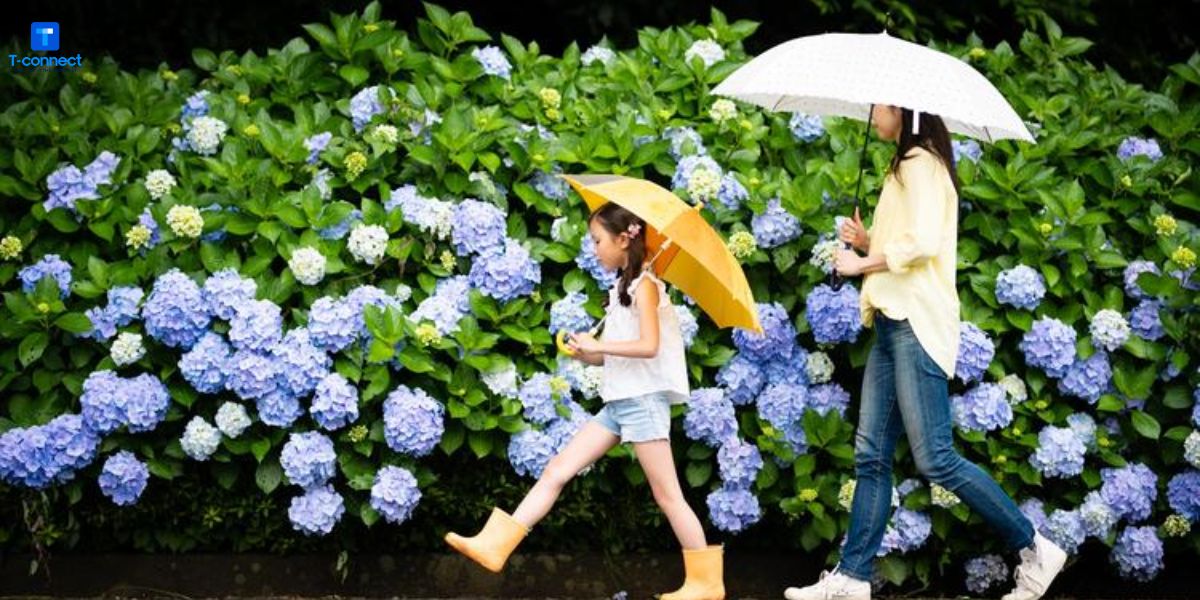
Characteristics of the rainy season in Japan
The rainy season in Japan is called Tsuyu (梅雨), meaning “plum rain”, usually lasts about 4–6 weeks. During this period, the humidity increases, the rain is drizzle or continuous, some days it rains from morning to night.
Noticeable characteristics of the rainy season in Japan include:
- Overcast, cloudy, high humidity.
- Temperatures range from 18–26°C, but feel muggy.
- The rain is not too heavy but lasts a long time, sometimes with thick fog in the mountains.
This is also the time when plants thrive, especially hydrangeas – an indispensable symbol of Japan's rainy season.
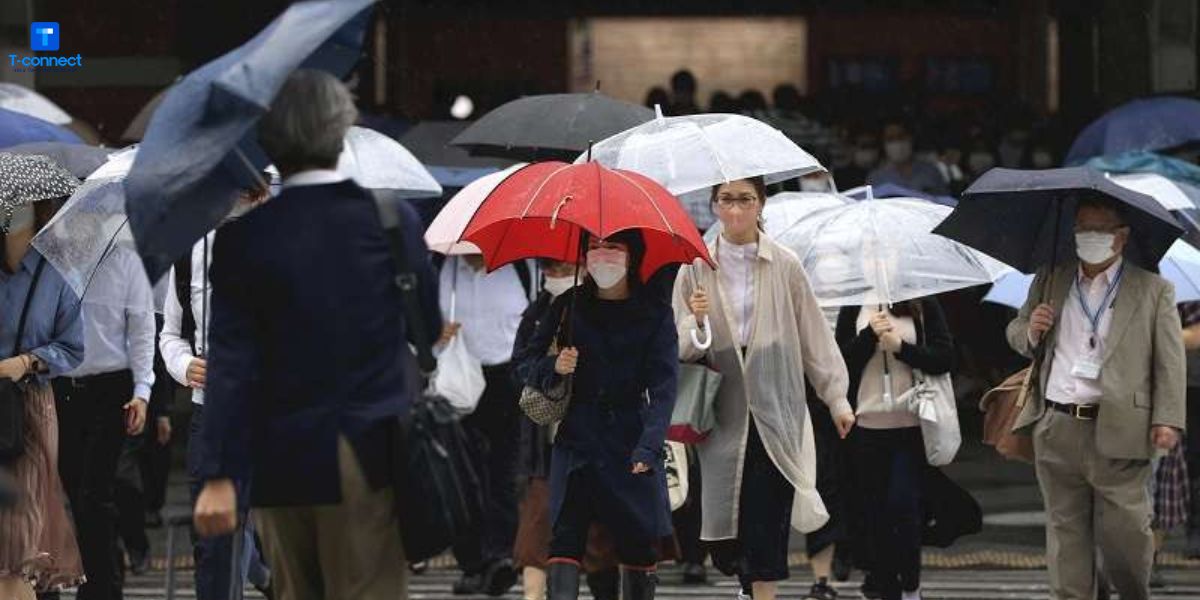
When does the rainy season start in Japan? (Updated by region)
The rainy season in Japan usually lasts from late May to late July, depending on the region. The start and end of the rainy season vary from region to region, as Japan stretches from south to north and has many different climate zones.
| Area | Begin | Finish |
| Okinawa | Last May | Last May |
| Kyushu | Early November | Mid July |
| Shikoku | Early November | Mid July |
| Kansai (Osaka, Kyoto) | Early – mid June | Mid – late April |
| Chugoku | Early November | Mid July |
| Chubu (Nagoya, Gifu) | Early – mid June | Last May |
| Kanto (Tokyo,…) | Early – mid June | Last May |
| Tohoku | Mid July | Last May |
| Hokkaido | There is no distinct rainy season. |
However, depending on the year, the timeline may change by a few days, so you should update the weather forecast at the beginning of June!
What do Vietnamese people living in Japan need to prepare for the rainy season?
The rainy season in Japan is not only long but also quite “temperamental” – some days it rains lightly all day, some days it suddenly rains heavily with strong winds. In order not to be affected in daily life, health and work, Vietnamese people living in Japan should proactively prepare the following items and make small changes in their daily habits:
- Windproof, foldable umbrella: You should choose a sturdy, light type that won't break in strong winds and is easy to carry every day.
- Waterproof shoes or rain boots: helps keep feet dry and prevents slipping when walking on slippery roads.
- Waterproof jacket or full body raincoat: keep your body dry when walking, cycling or riding a motorbike in the rain.
- Desiccant bag, activated carbon: Place in wardrobes, shoe racks to prevent mold, especially in small spaces.
- Mini dehumidifier: ideal for dorm rooms, helps reduce humidity and prevents damage to furniture.
- Indoor drying rack: support drying clothes on rainy days, combined with fan/dryer to dry clothes quickly.
- Laundry detergent/deodorant for rainy season: helps reduce damp smell on clothes when not dried outdoors.
- Weather & transport apps (Yahoo天気, Navitime…): keep an eye on storms and rain to avoid being late for school or work because the trains have stopped running.
- Tissues, zip bags, dry masks: should always be available in the bag to clean glasses, hands or change when wet in the rain.
- Waterproof bag or backpack with hood: protect laptop, phone, documents when going out in the rain.
7 Ideal Foods and Activities During the Rainy Season in Japan
Ideal food during rainy season in Japan
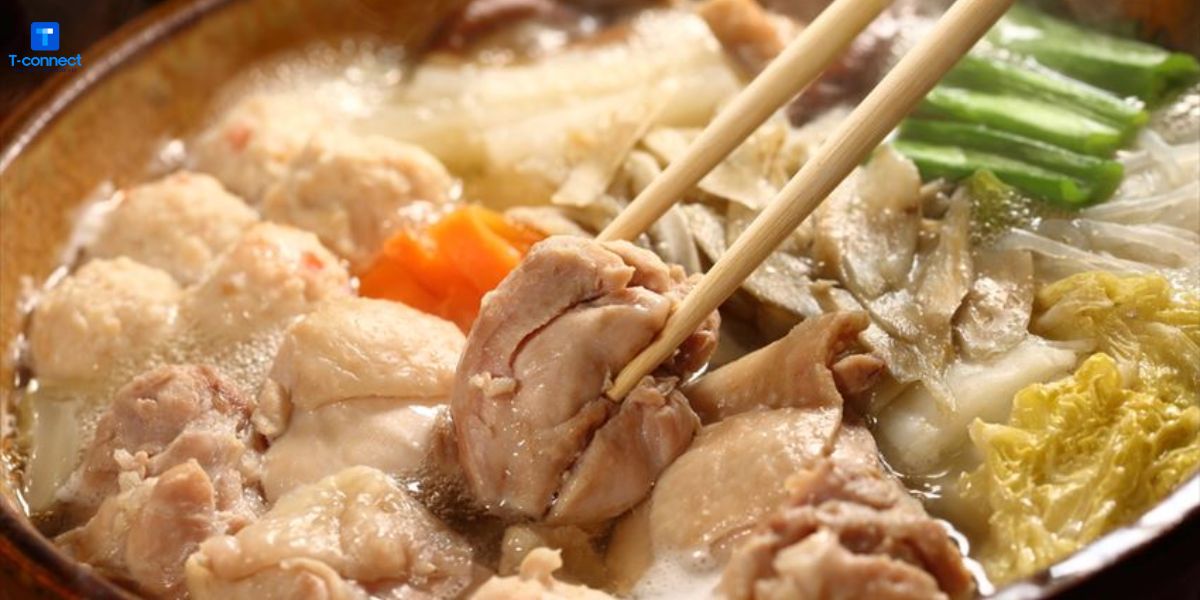
During the rainy season, the body is often tired and lethargic due to the humid weather and lack of sunlight. This is the time when hot, flavorful dishes take the throne. Below are 7 delicious dishes to help you "heal your stomach" and fully enjoy the rainy season in Japan:
- Japanese Hot Pot (Nabe): national dish every time the weather turns cold, boiling hot pot with vegetables and meat warms the stomach and heart.
- Oden: A stew consisting of eggs, radish, fish cakes... sold in convenience stores, very suitable to eat when it's drizzling.
- Spicy Ramen: hot noodles, spicy broth helps you stay awake, dispelling the feeling of dampness and lethargy.
- Hot Udon: thick noodles served with soup and crispy tempura, easy to eat and effectively warms the body.
- Zōsui (Japanese porridge): porridge cooked with eggs, chicken or seafood, soft on the stomach - ideal for tiring rainy days.
- Hot soba noodles: light buckwheat noodles, eaten with hot broth – a quick but flavorful meal.
- Hot matcha + wagashi: green tea and traditional cake – the perfect combo to relax on rainy afternoons.
Ideal relaxing activities during the rainy season in Japan
Even though the rain prevents you from having fun outdoors as usual, there are still many suitable activities in Japan to enjoy the rainy season in a gentle and thoughtful way:
- Sitting in a quiet coffee shop: sipping hot coffee, listening to soft music and watching the rain fall through the window is a "medicine" to soothe the mood.
- Reading books in the library: Japanese public libraries are both beautiful and quiet – the perfect space to take shelter from the rain and relax.
- Visiting the museum: The rainy season is an ideal time to learn about Japanese art and culture without having to go out in the sun and wind.
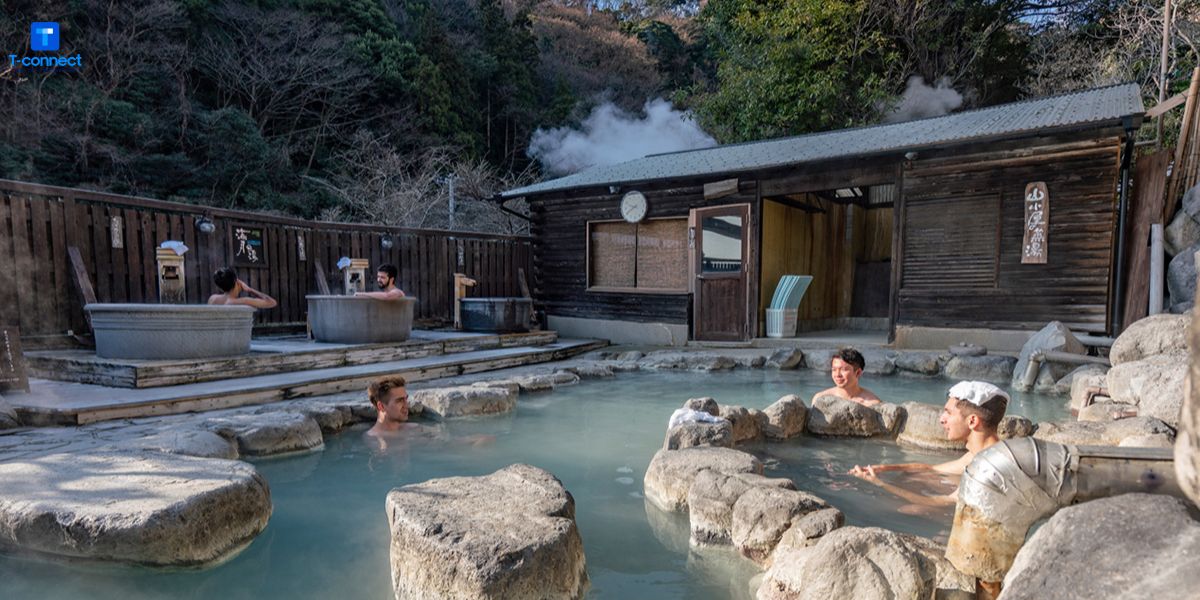
- Onsen (hot spring) bath: Experience complete relaxation while soaking in hot water in the cold rainy weather.
- Walking in the rain with a transparent umbrella: a gentle, romantic and very “Japanese” experience – especially in traditional gardens.
- Watch movies at mini theater: small cinemas often have cozy spaces, showing art films - suitable for rainy day vibes.
- Cooking with friends: Rainy days at home cooking, eating, chatting is the way to create unforgettable memories.
Some beautiful destinations especially during the rainy season in Japan
Although rain can be inconvenient when traveling, there are places in Japan where rain makes the scenery more poetic and magical than usual. Hydrangeas in full bloom, thin mist covering the lake surface, lush green mountains and forests – all create a very unique beauty of the rainy season. Here are the destinations you should visit around June-July every year:
Meigetsuin Temple (Kamakura) – Hydrangeas in full bloom
Meigetsuin, also known as “Ajisai-dera” (Hydrangea Temple), is one of the most famous places in Japan when it comes to the rainy season. Around mid-June, the temple’s entrance and grounds are covered in the purple and green of thousands of hydrangea bushes, creating a poetic and tranquil scene – perfect for those looking for some peace amid the drizzling rain.
- Address:: 189 Yamanouchi, Kamakura, Kanagawa 247-0062
- Appropriate activity: Stroll to see hydrangeas, take artistic photos, enjoy the ancient scenery among the flowers and light rain.
Mimuroto-ji Temple (Kyoto) – over 10,000 flower bushes
Located in Uji, Kyoto, Mimuroto-ji Temple is a veritable flower paradise during Japan’s rainy season. The vast garden features over 10.000 hydrangea bushes of 50 different varieties that bloom in June, making it a must-see destination for nature lovers and photographers. The scenery is both vibrant and tranquil, making it easy to forget the humidity of the rainy season.
- Address:: 21 Uji Yamada, Uji, Kyoto 611-0013
- Appropriate activity: See flowers, take pictures of colorful hydrangeas, and visit Uji - a region famous for green tea and ancient atmosphere.
Lake Ashinoko (Hakone) in rainy season mist
On rainy days, Lake Ashinoko takes on an indescribable, hazy beauty. The water surface is covered with a thin layer of mist, the surrounding scenery is quiet, especially the image of the red torii gate of Hakone Shrine standing out in the enchanting gray-blue space. The rainy season is the ideal time for you to feel the mystery and poetry of Hakone in a very different way.
- Address:: Motohakone, Hakone, Ashigarashimo District, Kanagawa 250-0522
- Appropriate activity: Cruise on the lake, take pictures of the torii gate in the mist, combine onsen bathing and relaxation in the Hakone hot spring area.
The rainy season in Japan is not simply a long, wet day, but also a time when nature shows off its own unique colors: purple hydrangeas, mist drifting over lakes, or simply the slight mist clinging to the windows of cafes. If you know how to enjoy it, this will be a season of cozy meals, leisurely walks, and gentle, profound experiences.
Whether you are living, studying or working in Japan, don't let the rainy season in Japan disrupt your daily life. Be well prepared, from umbrellas, waterproof shoes, to plans for "chill at home" days. And don't forget to use the practical products and utilities of T-Connect like My T-Connect - a telecommunications application that supports Vietnamese to help you manage your network fees, make payments easily, and receive monthly promotions - so that the rainy season in Japan is no longer a worry of late bills or lost connections.

T-connect & DCOM signed a cooperation agreement to enhance digital experiences for the Vietnamese user community in Japan.
On November 17, 2025, T-connect & DCOM officially signed a [...]
ANSWERS TO FREQUENTLY ASKED QUESTIONS WHEN PAYING FOR MY T-CONNECT WITH DCOMPAY
T-Connect officially cooperates with DCOM, launching DCOMPay payment method [...]
T-CONNECT CUP 2025 FOOTBALL TOURNAMENT REGULATIONS – CELEBRATION OF T-CONNECT'S 6TH ANNIVERSARY
The T-connect Cup 2025 football tournament is one of the sporting events [...]
Should I stay in Japan or return to Vietnam? 5 perspectives to help you make the right choice
After many years of studying and working in Japan, many people [...]
Which apps should Vietnamese people in Japan download? 15 essential apps when in Japan
Living, studying or working in Japan always comes with many [...]
5 tips to ship goods from Vietnam to Japan cheaply and safely
The demand for shipping goods from Vietnam to Japan is increasing, especially [...]
What do you need to prepare when converting your Japanese driver's license to Vietnam's? 7 important documents
While living and studying in Japan, many Vietnamese people have [...]
How does Japan handle waste? 5 waste treatment technologies in Japan that surprise the world
Japan is known as a country with a waste management system [...]