
 Home
Home About
About Product
 News
News  Media channels
 Guide
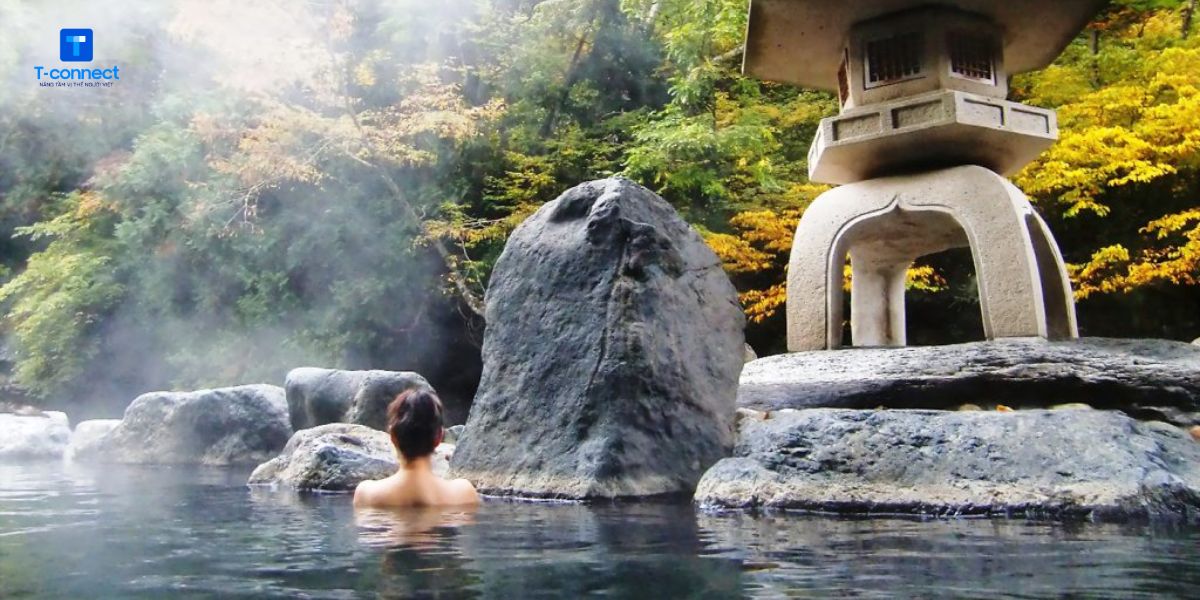
GuideWhen it comes to Japan, many people immediately think of Mount Fuji, cherry blossoms or sushi. However, an experience imbued with traditional culture that everyone should try at least once is onsen bath in japan. This is not only a form of relaxation, but also a habit closely associated with the spiritual life and health of the people here.
What is Onsen bath in Japan?
Bathing in onsen (温泉) in Japan is the activity of soaking in natural hot springs, formed by underground water heated by volcanoes. Japan has a terrain with many active volcanoes, so this country owns thousands of hot springs with abundant minerals.
The tradition of bathing in onsen in Japan dates back to the Jomon period (14.000 – 300 BC), when the ancient Japanese discovered the healing and relaxing effects of natural hot springs. According to Shinto, Japan’s indigenous religion, water is considered a purifying element for the soul and body.
In Japanese culture, onsen is not just a place to bathe but also a sacred space for people to blend with nature and find balance in their souls. Ancient samurai often bathed in onsen in Japan to heal wounds after battles, while Buddhist monks considered soaking in hot water as a form of meditation.
Benefits of Onsen Bathing
Many studies have shown that bathing in onsen in Japan brings clear health benefits. The natural mineral water source contains many minerals such as sulfur, sodium, calcium, magnesium... providing health for both body and mind:
Health benefits: Onsen water contains many natural minerals such as sulfur, sodium, calcium and magnesium, which help improve blood circulation, relieve joint pain and muscle inflammation. The water temperature of 38-42°C stimulates the parasympathetic nervous system, helping the body to relax deeply and reduce stress.
Beauty benefits: The minerals in onsen water help soften the skin, remove dead skin cells, and improve skin elasticity. Many onsen are also slightly alkaline, helping to balance the skin's natural pH.
Spiritual benefits: The quiet space and harmonious design of onsens create an ideal environment for meditation and peace of mind. Bathing in onsens in Japan helps reduce stress, improve sleep quality and enhance mental health.
Etiquette and Rules When Bathing in Onsen in Japan
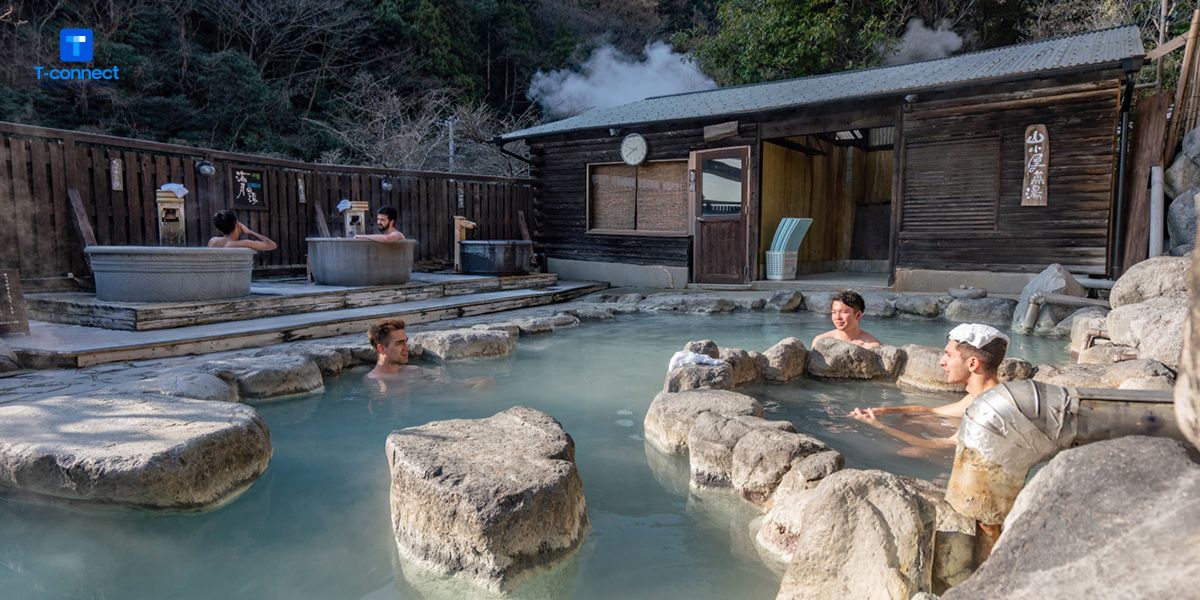
Although popular and communal, bathing in onsen in Japan has its own rules that you need to follow to show respect for the local culture.
Take a shower before bathing in Onsen
The most important rule when bathing in an onsen in Japan is to thoroughly wash your entire body before entering the onsen. The preliminary bathing area is fully equipped with small chairs, showers, shampoo and shower gel. Visitors need to sit on a small chair, use soap to clean their body from head to toe, then rinse with clean water to completely remove soap suds before entering the onsen.
No clothes
When bathing in an onsen in Japan, visitors must be completely naked – this is a mandatory rule with no exceptions. Not even underwear or swimsuits are allowed. This rule stems from the philosophy of equality and purity in Japanese culture, where everyone returns to their most natural state before nature.
No filming or photography
Photography or filming in the onsen area is strictly prohibited. This rule is to protect the privacy and sacredness of the onsen bathing space in Japan. Visitors are only allowed to take photos in the reception area or in specific areas.
Don't drink alcohol
Never drink alcohol before or during an onsen bath in Japan. Alcohol combined with the high temperatures of the onsen can be dangerous to your health, leading to dizziness, dehydration, or serious cardiovascular problems.
Pay attention to tattoos on the body
Tattoos still have negative connotations in Japanese culture, often associated with the yakuza (gangs). Many traditional onsen do not allow people with tattoos to bathe in Japan. However, some modern onsen have relaxed this rule, especially for foreign visitors.
Top 10 Onsen bathing places in Japan not to be missed
Japan has more than 27.000 onsen sources spread across the country, but below are 10 outstanding destinations, most loved by domestic and foreign tourists when wanting to experience onsen bathing in Japan.
Beppu Onsen
Beppu in Oita Prefecture is Japan’s onsen lover’s paradise, with over 2.000 hot springs and eight different types of onsen called “Beppu Hatto.” The most famous is the “Jigoku Meguri” (Hell Tour), where visitors can see onsen with strange colors such as cobalt blue, blood red and milky white.
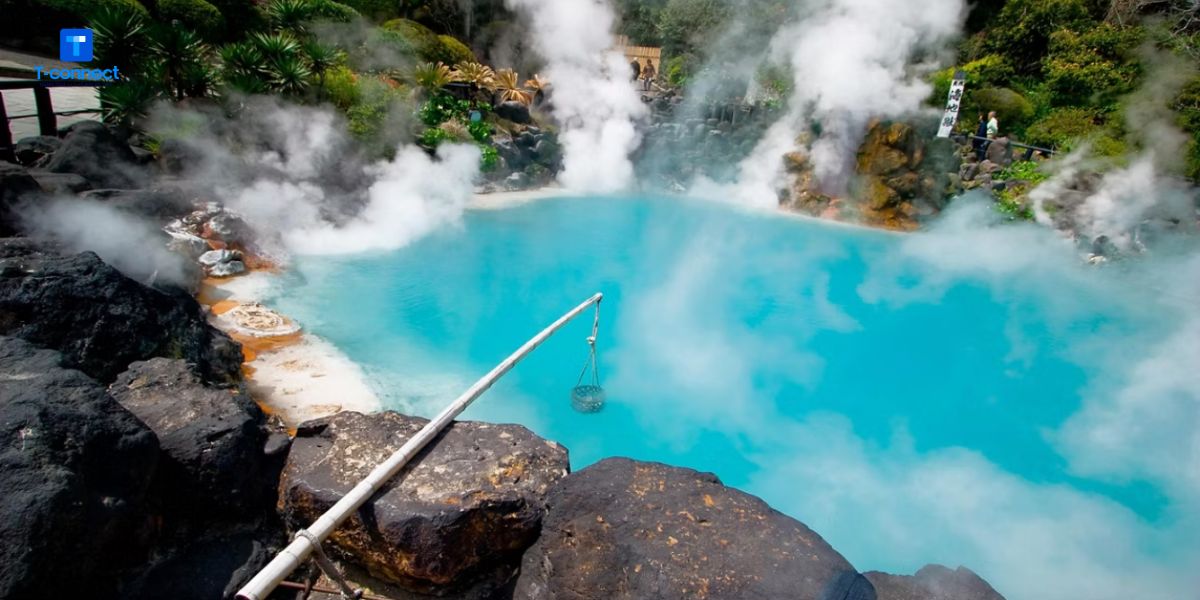
Address: Beppu City, Oita Prefecture, Kyushu Island, Japan
Kusatsu Onsen
Kusatsu is one of the most famous onsen in Japan, praised for its acidic water quality, which has the ability to disinfect and support skin healing. The highlight here is the Yubatake area - the "hot water field", where visitors can witness the white steaming mineral water, creating an extremely impressive scene.
Address: Kusatsu, Agatsuma district, Gunma prefecture, Japan
Ginzan Onsen
Ginzan Onsen is the place onsen bath in japan The most romantic, recognized by UNESCO as a cultural heritage. Winter is the most beautiful time when the snow covers everything, creating a scene like the anime "Spirited Away". Famous onsens such as Notoya Ryokan (450 years old), Fujiya Ryokan with private baths overlooking the river, or Kosekikan with outdoor onsen in the middle of the snow forest. The onsen water here has a temperature of 65°C, rich in sodium chloride, good for the skin and blood circulation.
Address: Ginzan shinhata, Obanazawa-shi, Yamagata-ken, Japan
Yufuin Onsen
Yufuin is a small, peaceful town with stunning views of Mount Yufu. In addition to onsen, it is also known for its cute cafes, art galleries, and souvenir shops. It is an ideal choice for visitors who want to relax, stroll around, and explore the local culture.
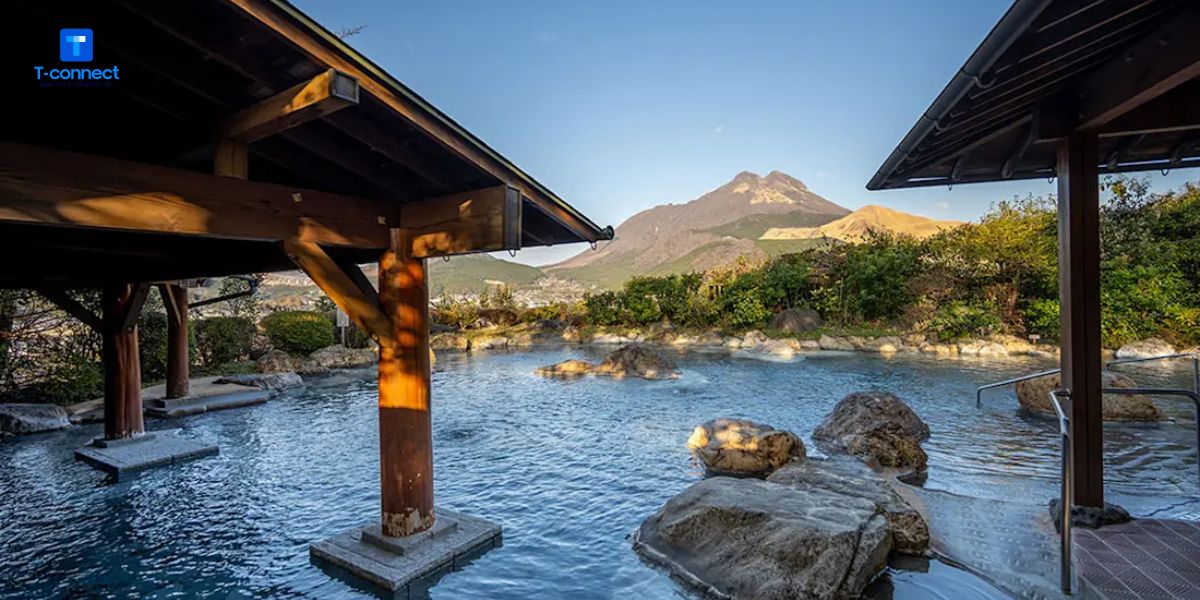
Address: Yufu City, Oita Prefecture, Kyushu Island, Japan
Kurokawa Onsen
Kurokawa retains its traditional character and is small in scale, without being noisy and bustling. The open-air baths (rotenburo) here are often located in the middle of the mountains and forests, creating a feeling of closeness to nature. Tourists can also buy “onsen-hopping” tickets to try many different bathhouses in just one day. Onsen water contains many minerals such as sulfur, sodium, calcium, which are especially good for muscles and skin.
Address: Minami-Oguni Town, Aso District, Kumamoto Prefecture, Japan
Takayu Onsen
Takayu in Fukushima Prefecture is located at an altitude of 750m in Bandai-Asahi National Park, surrounded by majestic mountains and primeval forests. The onsen water has a characteristic milky white color due to its high sulfur and sulfuric acid content, with a distinctive light sulfur smell. The onsen water here is said to have the ability to heal wounds, improve skin and effectively reduce stress. Autumn is the most beautiful time when the maple leaves are bright red.
Address: Zainiwasaka District, Fukushima Prefecture, Japan
Shima Onsen
Shima Onsen has been famous for its story of “curing 40.000 diseases” since the Kamakura period (1185-1333). This area retains its ancient features with hundreds of years old ryokans along the Shima-gawa River and the famous red Megane-bashi bridge. The onsen water contains sodium and calcium sulfate, which are good for the digestive system and skin. The nearby blue Shima Lake creates a poetic scene.
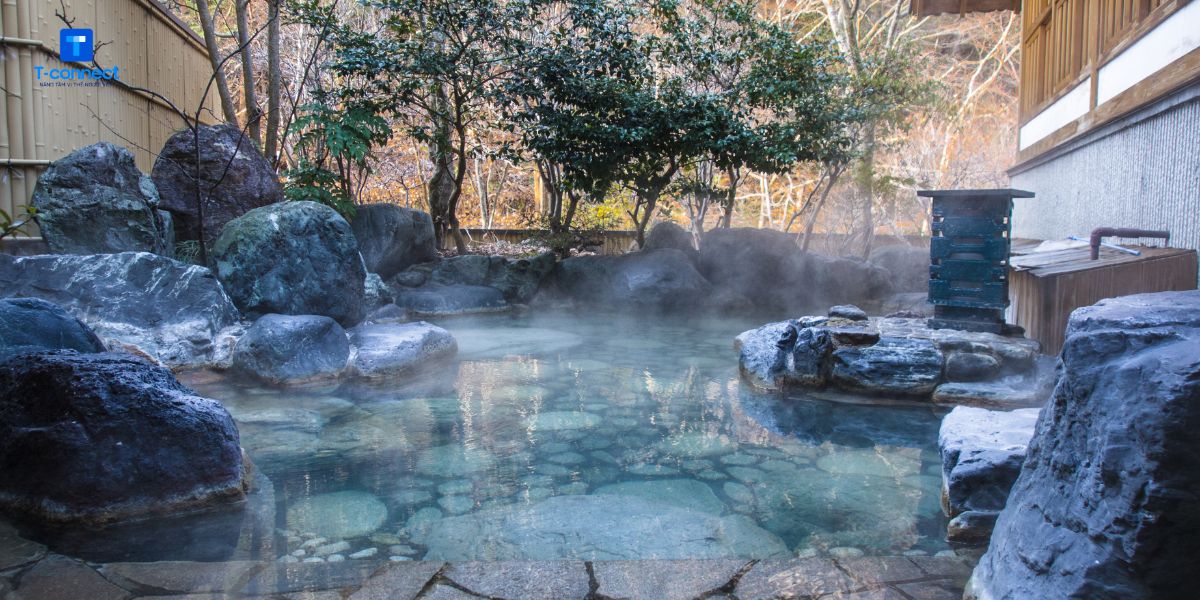
Address: Nakanojo Town, Agatsuma District, Gunma Prefecture, Japan
Nozawa Onsen
Nozawa is a small town famous for its ski resort and hot springs. It still retains more than 10 free public baths, called “soto-yu”, allowing residents and visitors to experience onsen in the most traditional way. In the winter, there is nothing better than skiing and then soaking in a warm onsen.
Address: Nozawaonsen Town, Shimotakai District, Nagano Prefecture, Japan
Noboribetsu Onsen
Noboribetsu in Hokkaido is known as the “Onsen Capital of Hokkaido” with 11 different types of hot springs from Jigokudani (Hell Valley). The hot steam vents, boiling springs, and the distinct smell of sulfur create a magical scene. It offers a variety of mineral waters, from sulfur, iron, to salt, offering a variety of health benefits.
Address: Noboribetsu Onsen Cho, Noboribetsu, Hokkaido, Japan
Manza Onsen
Manza Onsen in Gunma Prefecture is located at an altitude of 1.800m, one of the highest onsen in Japan with a cool climate all year round. The onsen water is highly acidic and has a distinctive blue color due to its high sulfur and sulfuric acid content. From the outdoor baths, you can admire the majestic mountain panorama, which is especially beautiful in winter when it is covered in snow.
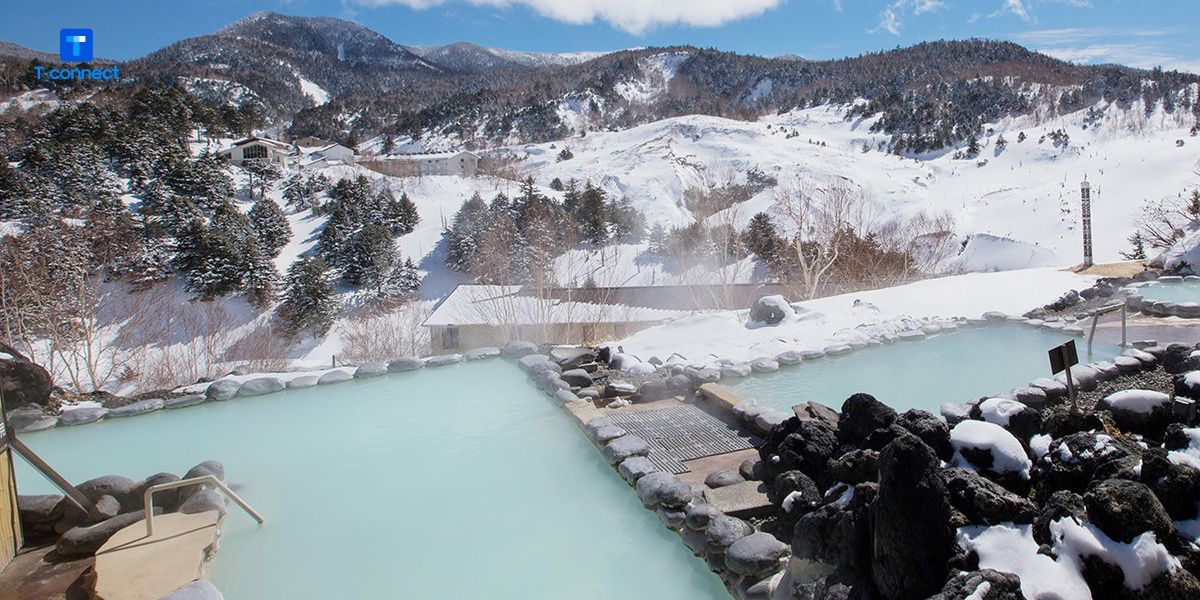
Address: Joshin Etsu Kogen National Park, Nisshinkan, Japan
Cost of onsen bath in Japan
The cost of bathing in an onsen in Japan depends on the location and type of service. On average, the entrance fee to a public bath ranges from 300 to 1.000 yen. High-end onsen resorts, hotels, and resorts can cost from 1.500 to 3.000 yen or more. In addition, some traditional ryokan hotels will include onsen services in the room rate.
Notes for foreigners when bathing in onsen in Japan
To have a smooth onsen bathing experience in Japan and avoid cultural misunderstandings, foreign visitors should note:
- About language: Learn some basic vocabulary like “onsen” (hot spring), “yu” (hot water), “otoko-yu” (male onsen), “onna-yu” (female onsen). Many onsen now have English signs.
- About the code of conduct: Stay quiet, don't shout or talk loudly. Don't soak for too long (15-20 minutes maximum) to avoid dizziness. Drink plenty of water before and after bathing in an onsen in Japan.
- About health: People with heart disease, high blood pressure, and pregnant women should consult a doctor before bathing. Do not bathe if you have a cold, fever, or open wounds.
- About culture: Respect other people's privacy, don't stare. Be prepared to be completely naked and shower with strangers.
Bathing in an onsen in Japan is a unique cultural experience that cannot be missed when traveling to the land of cherry blossoms. Take the time to enjoy every peaceful moment between the hot mineral water and majestic nature - that is the precious spiritual gift that Japanese onsen brings to every visitor.
Besides cultural experiences such as bathing in onsen in Japan, the Vietnamese community also needs support in daily life, especially Internet connection and telecommunications. T-connect is a brand that provides cheap SIM cards, portable wifi and consulting services in Vietnamese, helping you easily communicate, study and work while living in Japan. With T-connect, your journey to experience Japan will become more convenient and complete.

T-connect & DCOM signed a cooperation agreement to enhance digital experiences for the Vietnamese user community in Japan.
On November 17, 2025, T-connect & DCOM officially signed a [...]
ANSWERS TO FREQUENTLY ASKED QUESTIONS WHEN PAYING FOR MY T-CONNECT WITH DCOMPAY
T-Connect officially cooperates with DCOM, launching DCOMPay payment method [...]
T-CONNECT CUP 2025 FOOTBALL TOURNAMENT REGULATIONS – CELEBRATION OF T-CONNECT'S 6TH ANNIVERSARY
The T-connect Cup 2025 football tournament is one of the sporting events [...]
Should I stay in Japan or return to Vietnam? 5 perspectives to help you make the right choice
After many years of studying and working in Japan, many people [...]
Which apps should Vietnamese people in Japan download? 15 essential apps when in Japan
Living, studying or working in Japan always comes with many [...]
5 tips to ship goods from Vietnam to Japan cheaply and safely
The demand for shipping goods from Vietnam to Japan is increasing, especially [...]
What do you need to prepare when converting your Japanese driver's license to Vietnam's? 7 important documents
While living and studying in Japan, many Vietnamese people have [...]
How does Japan handle waste? 5 waste treatment technologies in Japan that surprise the world
Japan is known as a country with a waste management system [...]