
 Home
Home About
About Product
 News
News  Media channels
 Guide
GuideWhen studying abroad in Japan, in addition to tuition and living expenses, you will also have to pay Types of taxes that international students must pay according to the regulations of the Japanese government. Many of you do not really understand these taxes, leading to difficulties in financial planning. So what are the taxes that international students in Japan have to pay? Let's find out the details in the article below!

Learn about the taxes that international students in Japan must pay
Japan's tax system is considered one of the most transparent in the world, but it is also quite complicated for foreigners. Everyone living in Japan, including Vietnamese students, is obliged to pay taxes according to Japanese government regulations.
If you are an international student residing in Japan for more than 1 year or have income from part-time work, you still have to pay some taxes according to Japanese law.CTypes of taxes that international students in Japan must pay including: residence tax, personal income tax, consumption tax and income tax from part-time jobs.
Residence tax (citizen tax)
Residence tax (Jūminzei – 住民税) is one of the taxes that international students in Japan must pay when living here. This is a local tax that all people living in Japan must pay to the local government.
Resident tax consists of two parts: prefectural tax and municipal tax. This tax is calculated based on the income of the previous year. For international students who have just arrived in Japan, they usually do not have to pay resident tax in the first year because they have not had any income from the previous year.
The usual way to calculate resident tax is as follows:
- Fixed tax portion: about 5,000 yen/year
- Provincial tax portion: about 4% of taxable income
- City tax portion: approximately 6% of taxable income
For international students with income from part-time jobs, if your income exceeds the tax-free threshold (usually around 930,000 yen/year), you will have to pay resident tax from the second year onwards. This is one of the important taxes that international students in Japan must pay that you should be aware of.
Personal income tax
Personal income tax (Shotokuzei – 所得税) is a tax that applies to all personal income in Japan. This is one of the taxes that international students in Japan must pay if their income exceeds the tax-free limit.
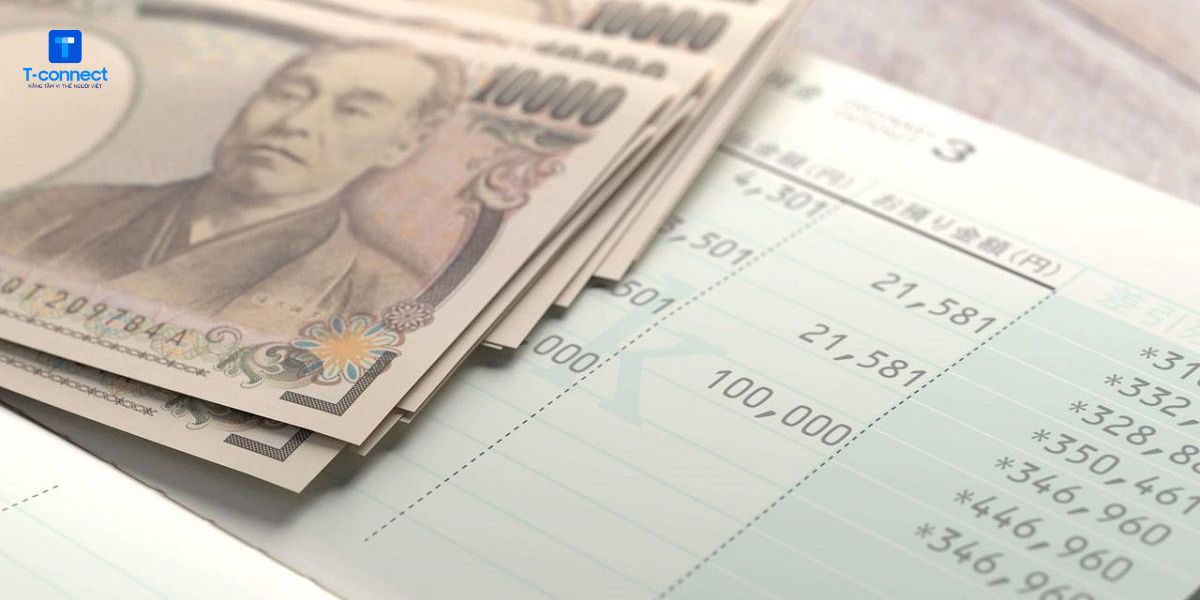
For international students, income mainly comes from part-time jobs. If your total annual income does not exceed 1,030,000 yen (about 9,300 USD), you are exempt from income tax. However, if it exceeds this amount, you will have to pay income tax according to Japan's progressive tax schedule.
Personal income tax table in Japan:
- Income up to 1,950,000 yen: 5%
- Income from 1,950,001 to 3,300,000 yen: 10%
- Income from 3,300,001 to 6,950,000 yen: 20%
- Income from 6,950,001 to 9,000,000 yen: 23%
- Income over 9,000,000 yen: has higher tax rate
Most international students work part-time jobs that pay between 900 and 1,300 yen per hour, with a work limit of 28 hours per week, so their income is usually tax-free or at the lowest tax rate. Here is important information about the types of taxes international students in Japan must pay.
Consumption tax (VAT)
Consumption tax (Shōhizei – 消費税) is a tax that applies to most products and services in Japan. This is also one of the taxes that international students in Japan must pay in their daily lives.
Currently, the consumption tax in Japan is 10% for most products and services. However, for food and beverages (excluding alcoholic beverages), the tax rate is reduced to 8%.
Some goods and services that are exempt from consumption tax include:
- Tuition and educational fees
- Health services
- Rent for residential purposes
For international students, it is important to know that listed prices in Japan usually do not include consumption tax. Therefore, when shopping, you should add 10% to the listed price to know the actual amount you will pay.
What is the income tax on part-time work in Japan?
Part-time jobs are one of the main sources of income for international students in Japan. However, income from part-time jobs is also subject to taxes that international students in Japan must pay.
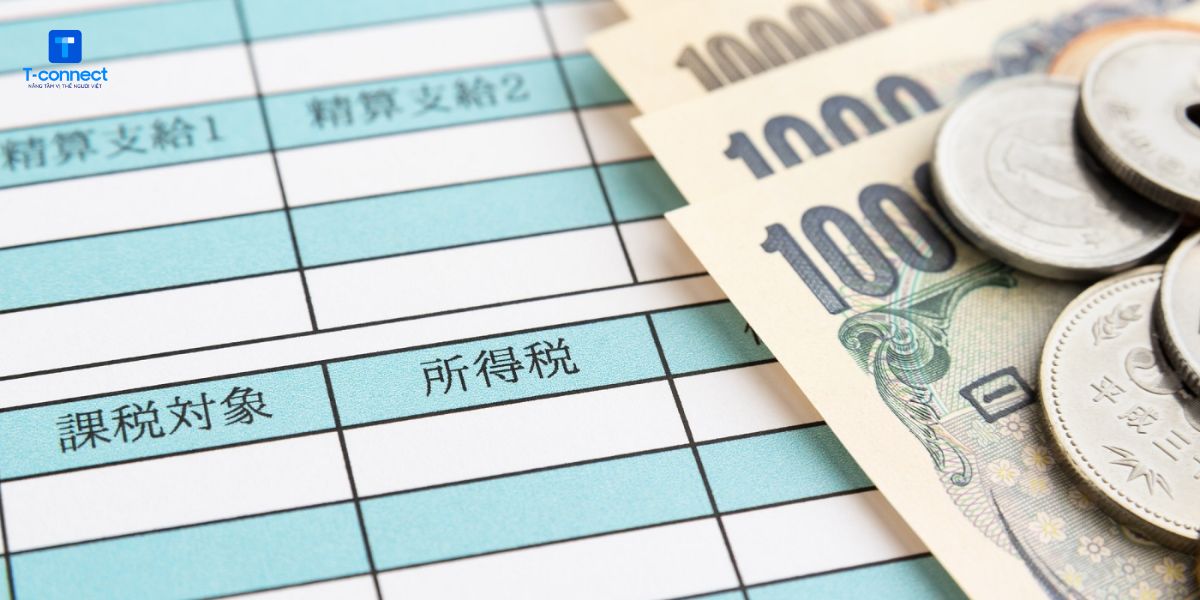
When working in Japan, international students' income is subject to two main types of taxes:
- Personal income tax (mentioned above)
- Social insurance tax
For part-time work, your employer will usually deduct income tax directly from your salary through the withholding at source system. The amount of tax deducted depends on your salary and the number of hours you work.
Additionally, if you work at a company with working hours exceeding a certain threshold (usually 20-30 hours/week), you may be required to participate in and pay social insurance contributions including:
- Health insurance
- Pension insurance
- Unemployment insurance
However, most international students work less than 28 hours per week and are therefore not required to participate in these insurance programs. Here is important information about the types of taxes that international students in Japan must pay when working part-time.
How do international students pay taxes in Japan?
Understanding the tax filing process is the final important part of understanding the types of taxes international students in Japan must pay. The process is quite simple but requires compliance with deadlines and procedures.
Regarding personal income tax
- Deduction at source: If you work for a company in Japan, the company will automatically deduct income tax from your salary every month.
- Year-end tax adjustment (Nenmatsu chōsei – 年末調整): At the end of the year, the company will make a tax adjustment to make sure you paid the right amount of tax. If you overpaid, you will get a tax refund.
- Tax declaration (Kakutei shinkoku – 確定申告): If you have more than one job or income from other sources, you need to file your tax return between February 16 and March 2 each year. You can file at your local tax office or online.
Đối với thuế cư trú
- Tax Notice: In June of each year, you will receive a residence tax notice based on your income from the previous year.
- Submission method:
- If you work for a company, residence tax will be deducted from your monthly salary from June of the current year to May of the following year.
- If you do not work or your company does not deduct taxes, you will receive a bill and have to pay the taxes yourself at a bank, post office or convenience store.
When studying abroad in Japan, in addition to tuition and living expenses, international students also have to pay certain taxes according to regulations. Taxes that international students in Japan must pay including residence tax, personal income tax, consumption tax and income tax from part-time jobs. Understanding your tax obligations will help you avoid breaking the law and have a more reasonable financial plan during your study abroad. If you have income from part-time jobs, don't forget to check your income every year to ensure you pay taxes properly!
If you are going to be an international student in Japan, don't forget T-connect is a great telecommunications service for the Vietnamese community in Japan. We understand your connectivity needs and offer a variety of packages, helping you stay in touch with your family without worrying about the cost.
T-connect Team

T-connect & DCOM signed a cooperation agreement to enhance digital experiences for the Vietnamese user community in Japan.
On November 17, 2025, T-connect & DCOM officially signed a [...]
ANSWERS TO FREQUENTLY ASKED QUESTIONS WHEN PAYING FOR MY T-CONNECT WITH DCOMPAY
T-Connect officially cooperates with DCOM, launching DCOMPay payment method [...]
T-CONNECT CUP 2025 FOOTBALL TOURNAMENT REGULATIONS – CELEBRATION OF T-CONNECT'S 6TH ANNIVERSARY
The T-connect Cup 2025 football tournament is one of the sporting events [...]
Should I stay in Japan or return to Vietnam? 5 perspectives to help you make the right choice
After many years of studying and working in Japan, many people [...]
Which apps should Vietnamese people in Japan download? 15 essential apps when in Japan
Living, studying or working in Japan always comes with many [...]
5 tips to ship goods from Vietnam to Japan cheaply and safely
The demand for shipping goods from Vietnam to Japan is increasing, especially [...]
What do you need to prepare when converting your Japanese driver's license to Vietnam's? 7 important documents
While living and studying in Japan, many Vietnamese people have [...]
How does Japan handle waste? 5 waste treatment technologies in Japan that surprise the world
Japan is known as a country with a waste management system [...]