
 Home
Home About
About Product
 News
News  Media channels
 Guide
GuideNational Insurance in Japan is a compulsory health insurance system for all residents, including foreigners living in Japan. Understanding this system will help you save on medical expenses and make the most of medical benefits in the land of cherry blossoms.
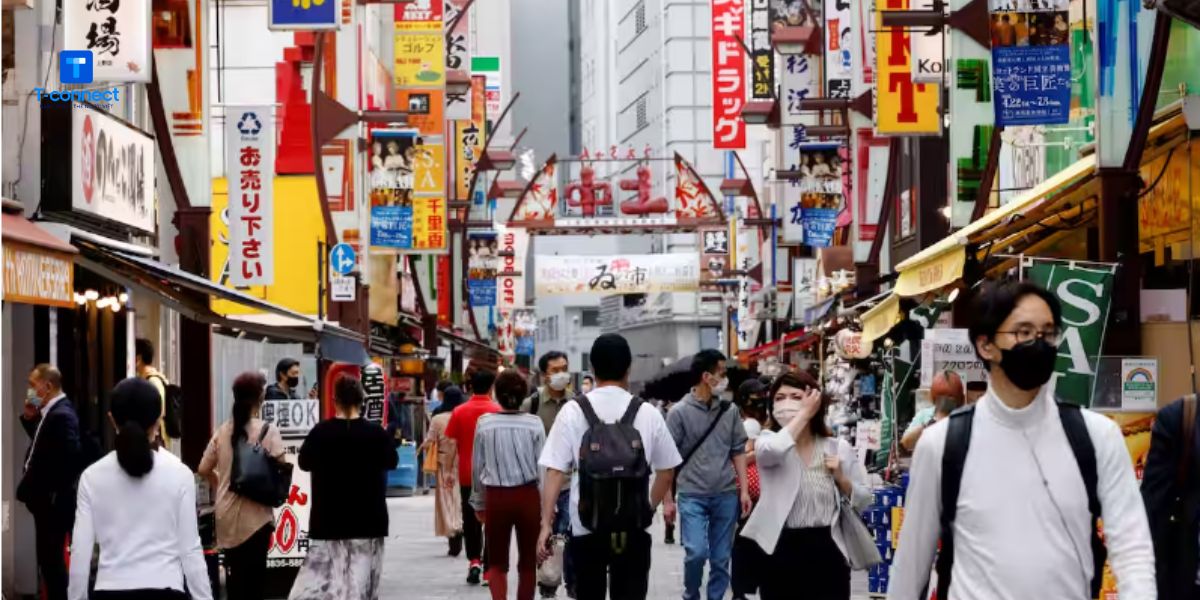
What is national insurance in Japan?
National health insurance in Japan, also known as national health insurance (Kokumin Kenko Hoken – 国民健康保険), is one of the important pillars of the health care system in Japan. It is a compulsory health insurance system designed to ensure that all residents have access to high-quality medical services at reasonable costs.
The national insurance system in Japan operates on the principle of risk sharing, in which all participants contribute insurance premiums to form a common fund. When in need of medical treatment, patients only need to pay a portion of the cost (usually 30% for people aged 6-69), the remainder will be covered by the insurance fund.
The unique feature of Japan's national health insurance is its comprehensiveness and fairness. Regardless of nationality, gender, age or health status, everyone has the right to participate and enjoy the same benefits. This system has contributed significantly to the creation of one of the most advanced health care systems in the world.
Who can participate in national insurance?
The determination of who is eligible for national health insurance in Japan is clearly stipulated by Japanese law. For Japanese citizens, participation in national health insurance in Japan is mandatory for those who are not eligible for corporate health insurance. This includes freelancers, farmers, students, retirees, and those without stable employment.
Foreigners living in Japan are also required to participate in national health insurance in Japan if they satisfy the following conditions: have a valid residence card, plan to stay in Japan for 3 months or more, have a registered address (juminhyo), and are not participating in corporate health insurance.

Some special cases are also given priority to participate in national insurance in Japan, such as international students, part-time workers, and people in the process of changing jobs. This demonstrates the humane and comprehensive nature of the Japanese medical system.
Procedures for joining national insurance in Japan
When you come to live in Japan, registering for national health insurance is one of the procedures that need to be done early to ensure medical benefits. According to regulations, you need to complete the registration procedure within 14 days from the date of entry or from the time of changing your residence status (for example, changing from studying to working).
The insurance coverage starts from the day you arrive in Japan, not from the day you apply. Therefore, if you apply late, you will have to pay the insurance premium for the entire period from the day you enter Japan to the day you complete the procedure.
The place to carry out the procedure is the local administrative office (市役所 or 区役所) – where you register your residential address. When you come to do the procedure, you should bring the following documents:
- Thẻ cư trú (residence card)
- Passport
- Proof of current residential address (such as a rental agreement)
- Handbook or related documents if you have ever participated in insurance in Japan
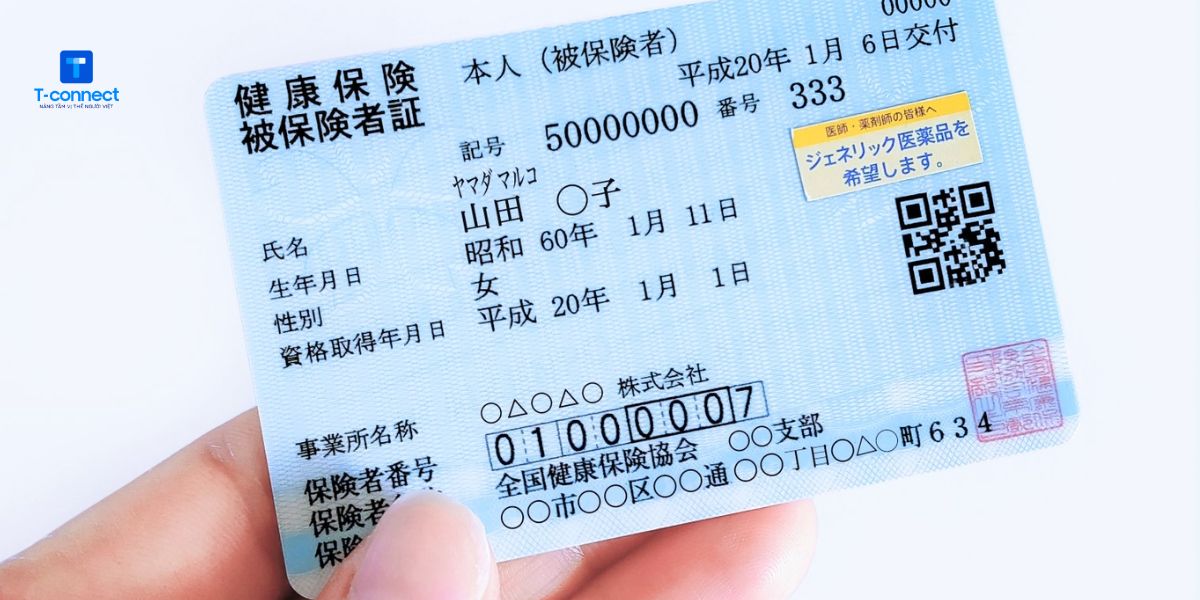
After completing the procedure, you will receive a national insurance card (Kokumin Kenko Hoken-sho). This card is important proof that you can use medical services at preferential prices.
Insurance benefits received by participants
The most basic benefit of national health insurance in Japan is a 70% reduction in medical expenses. This means that you only need to pay 30% of the total medical expenses, the rest will be covered by the insurance fund. For children under 6 years old, the self-payment rate is only 20%, while seniors aged 70 and over enjoy a higher reduction.
In addition, national insurance in Japan also provides the following benefits:
- Childbirth allowance: If you give birth in Japan, you may be eligible for a childbirth allowance of up to 500,000 yen per birth.
- Support for monthly treatment costs: When medical expenses in a month exceed the prescribed amount, the excess will be reimbursed.
- Long-term treatment cost support: In case of illness requiring long-term treatment, insurance will cover part of the cost to reduce the financial burden.
National insurance premiums in Japan
National insurance premiums are not fixed and depend on your income and place of residence. Typically, premiums are calculated based on your previous year's income and the number of people in your household.
For low-income earners, Japan's national health insurance system offers special premium reduction policies. International students may be eligible for reduced premiums for national health insurance depending on local policies.
Payment methods for national health insurance premiums in Japan are flexible. You can choose to pay monthly, quarterly, or annually. Payment via automatic transfer is recommended for convenience and to ensure that you do not miss a payment.
Notes on Japanese national insurance
When participating in national insurance in Japan, there are some important points that you need to keep in mind to avoid unnecessary trouble and make the most of your benefits:
- Register in time: After arriving in Japan, you should register for insurance as soon as possible to avoid being charged for the period of time you have not registered.
- Update information: If there is a change in address, residence status or income, it is necessary to notify the local administrative agency to update the information and adjust the insurance premium.
- Payment on time: Pay insurance premiums on time to avoid penalties or loss of insurance benefits.
- Understand your rights: Understand the benefits that national insurance provides to use when necessary, such as childbirth allowance, long-term treatment cost support, etc.
- Always bring your card when going to the doctor: If you forget your card, you will have to pay the entire medical cost and then go through the reimbursement process, causing a lot of unnecessary complications.
National health insurance in Japan is an important part of the social security system, helping citizens and foreigners residing in Japan reduce the financial burden when facing health problems. Understanding and participating properly will ensure you enjoy full benefits and avoid unnecessary trouble.
>> You may need to read more: Instructions for Opening an Online Bank Account in Japan Quickly, Easily, No Japanese Required
T-connect is a pioneer in providing convenient and economical telecommunications services, meeting the increasing communication needs of the Vietnamese community in Japan. With the goal of putting customer satisfaction first, T-connect constantly improves service quality and provides dedicated customer support. This is a reliable companion for Vietnamese people living far from home in the land of cherry blossoms.

T-connect & DCOM signed a cooperation agreement to enhance digital experiences for the Vietnamese user community in Japan.
On November 17, 2025, T-connect & DCOM officially signed a [...]
ANSWERS TO FREQUENTLY ASKED QUESTIONS WHEN PAYING FOR MY T-CONNECT WITH DCOMPAY
T-Connect officially cooperates with DCOM, launching DCOMPay payment method [...]
T-CONNECT CUP 2025 FOOTBALL TOURNAMENT REGULATIONS – CELEBRATION OF T-CONNECT'S 6TH ANNIVERSARY
The T-connect Cup 2025 football tournament is one of the sporting events [...]
Should I stay in Japan or return to Vietnam? 5 perspectives to help you make the right choice
After many years of studying and working in Japan, many people [...]
Which apps should Vietnamese people in Japan download? 15 essential apps when in Japan
Living, studying or working in Japan always comes with many [...]
5 tips to ship goods from Vietnam to Japan cheaply and safely
The demand for shipping goods from Vietnam to Japan is increasing, especially [...]
What do you need to prepare when converting your Japanese driver's license to Vietnam's? 7 important documents
While living and studying in Japan, many Vietnamese people have [...]
How does Japan handle waste? 5 waste treatment technologies in Japan that surprise the world
Japan is known as a country with a waste management system [...]