
 Home
Home About
About Product
 News
News  Media channels
 Guide
GuideLiving, studying and working in Japan means you need to pay attention to many administrative procedures, including: health insurance in japan is an indispensable part. Not only does it help reduce the burden of medical expenses, insurance is also a mandatory obligation for all citizens and foreigners living in this country.
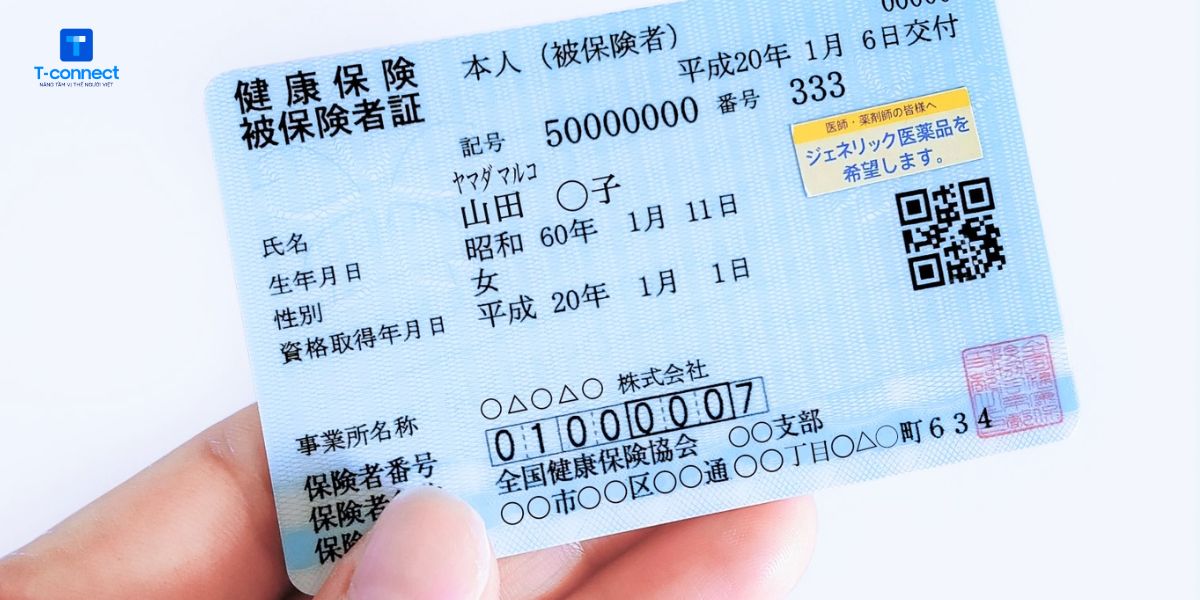
Learn about health insurance in Japan
Participating in health insurance in Japan is not only a legal obligation but also an important right to protect your health and personal finances. The Japanese health care system is highly regarded for its quality of service and comprehensiveness.
What is Japanese health insurance?
Health insurance in Japan (健康保険 – Kenkō Hoken) is a social welfare system that ensures that all citizens and legal foreign residents have access to medical services at reasonable costs. Health insurance is mandatory, and once you have insurance, you only have to pay about 30% of the total medical expenses, with the insurance covering the rest.
Under Japanese law, all people staying for more than 3 months must participate in one of two main types of health insurance. This is considered one of the important policies contributing to creating a fair and high-quality health care system in Japan.
Types of health insurance in Japan
The health insurance system in Japan consists of two main types, each serving different groups of people and having distinct characteristics.
- National health insurance: is a type of health insurance in Japan for people who are not covered by public health insurance. It is often chosen by international students, self-employed people, unemployed people, and other groups.
- Social health insurance: is a type of health insurance in Japan for employees with formal contracts. This type of insurance is usually 50% paid by the company, the rest is paid by the employee through monthly salary deductions.
Subjects participating in health insurance in Japan
Under Japanese law, all people staying for 3 months or more are required to participate in health insurance in Japan. This applies to both Japanese citizens and foreigners living here, specifically:
- Du học sinh: When enrolling and registering for residence, you need to join national health insurance to receive support for medical examination and treatment costs.
- Official worker: Usually registered by the company for social health insurance.
- Part-time or freelance worker: If not supported by the company, you need to register for national health insurance yourself.
- Unemployed or housewife: Not required but should join national health insurance to ensure medical examination and treatment benefits.

How to sign up for health insurance in Japan
The process of enrolling in health insurance in Japan is relatively simple, but it must be done correctly and within the prescribed time limit. Late enrollment can result in fines and loss of benefits.
- For national health insurance:
Bring your residence card (在留カード – Zairyū kādo), passport and seal (inkan) to the city hall where you live within 14 days of completing the residence registration procedure. Once completed, you will be issued a health insurance card (保険証 – Hokenshō). - For social health insurance:
If you are a full-time employee, the company will automatically register you. Employees only need to provide the necessary documents and complete the forms required by the company. The insurance card will be issued and delivered within a few weeks of completing the application.
Health insurance premiums in Japan
Health insurance premiums in Japan are calculated based on various factors, mainly the participant's income and the type of insurance chosen.
- National health insurance: Fees are calculated based on previous year's income, number of people in the household and local tax rates. For international students or low-income earners, fees are usually only around 1.500 - 3.000 yen/month.
- Social health insurance: The premium rate is about 10% of total income, divided equally between the employee and the company. With the average salary of foreigners in Japan (about 250.000-300.000 yen), the premium for this type of health insurance in Japan usually ranges from 8.000-15.000 yen per month.
Benefits of participating in health insurance
Health insurance in Japan offers many practical benefits, helping participants access high-quality medical services at reasonable costs. The most basic benefit of health insurance in Japan is that you only have to pay 10-30% of medical examination and treatment costs (depending on age), the rest is covered by the insurance. This applies to most medical services from routine medical examinations to complex surgeries.
In addition, health insurance in Japan also provides a high-cost support system (高額療養費制度) when treatment costs exceed the monthly limit. This system is especially important when treating serious illnesses, helping to significantly reduce the financial burden on patients and their families.

For social health insurance, there are also benefits such as sick pay (usually 60% of basic salary), maternity benefits, and other support systems. These are indispensable benefits of health insurance in Japan for workers.
Notes when participating in health insurance in Japan
When participating in health insurance in Japan, there are some important points that foreigners need to pay special attention to in order to avoid unnecessary trouble and ensure maximum protection of their rights:
- Always bring your health insurance card when you go for a checkup.
- Notify the administrative agency promptly if you change your residence or workplace.
- Avoid evasion of payment, as you may be subject to additional collection or administrative fines.
- Pay your premiums on time to avoid interruption of medical benefits.
- Check your employment contract carefully to know what type of insurance you are participating in.
Frequently Asked Questions about Health Insurance in Japan
Are international students required to participate in health insurance in Japan?
Yes, all international students staying for 3 months or more are required by law to have health insurance in Japan. Failure to have insurance may affect the visa renewal process.
Can I use health insurance in Japan at any hospital?
Health insurance in Japan is accepted at most medical facilities nationwide, from small clinics to large hospitals. However, it is important to check before your visit to make sure the medical facility accepts your insurance.
When should I renew my health insurance?
Health insurance cards in Japan are usually valid for 1-2 years and are automatically renewed if you maintain your residency status and pay your premiums. However, it is important to update your information promptly if there are changes in your personal situation.
Do people who change from one company to another need to re-register for insurance?
Yes. When you leave your job, your social health insurance managed by your old company will expire. You will need to register again at your new company or switch to national health insurance if you do not have a job.
Health insurance in Japan is an indispensable part of the lives of international students and foreign workers in the land of the rising sun. With a comprehensive system, reasonable costs and full benefits, participating in health insurance is not only a legal obligation but also a smart investment for health and the future.
In addition to participating in health insurance in Japan, Vietnamese students and workers also need convenient telecommunication services to serve their studies and work. T-connect is a reputable brand specializing in providing cheap SIM cards, portable wifi and support services in Vietnamese, helping you easily connect and feel secure when living in Japan. Choose T-connect, you will have a reliable companion on your journey of discovery and career in the land of cherry blossoms.

T-connect & DCOM signed a cooperation agreement to enhance digital experiences for the Vietnamese user community in Japan.
On November 17, 2025, T-connect & DCOM officially signed a [...]
ANSWERS TO FREQUENTLY ASKED QUESTIONS WHEN PAYING FOR MY T-CONNECT WITH DCOMPAY
T-Connect officially cooperates with DCOM, launching DCOMPay payment method [...]
T-CONNECT CUP 2025 FOOTBALL TOURNAMENT REGULATIONS – CELEBRATION OF T-CONNECT'S 6TH ANNIVERSARY
The T-connect Cup 2025 football tournament is one of the sporting events [...]
Should I stay in Japan or return to Vietnam? 5 perspectives to help you make the right choice
After many years of studying and working in Japan, many people [...]
Which apps should Vietnamese people in Japan download? 15 essential apps when in Japan
Living, studying or working in Japan always comes with many [...]
5 tips to ship goods from Vietnam to Japan cheaply and safely
The demand for shipping goods from Vietnam to Japan is increasing, especially [...]
What do you need to prepare when converting your Japanese driver's license to Vietnam's? 7 important documents
While living and studying in Japan, many Vietnamese people have [...]
How does Japan handle waste? 5 waste treatment technologies in Japan that surprise the world
Japan is known as a country with a waste management system [...]