
 Home
Home About
About Product
 News
News  Media channels
 Guide
GuidePeople in the land of cherry blossoms are increasingly favoring cashless forms such as e-wallets, IC cards or bank transfers. So among the myriad of options, which payment method is most suitable for you? Let's explore in detail. Payment Methods in Japan, analyze the pros and cons of each type to spend wisely and enjoy life more easily in a foreign land!
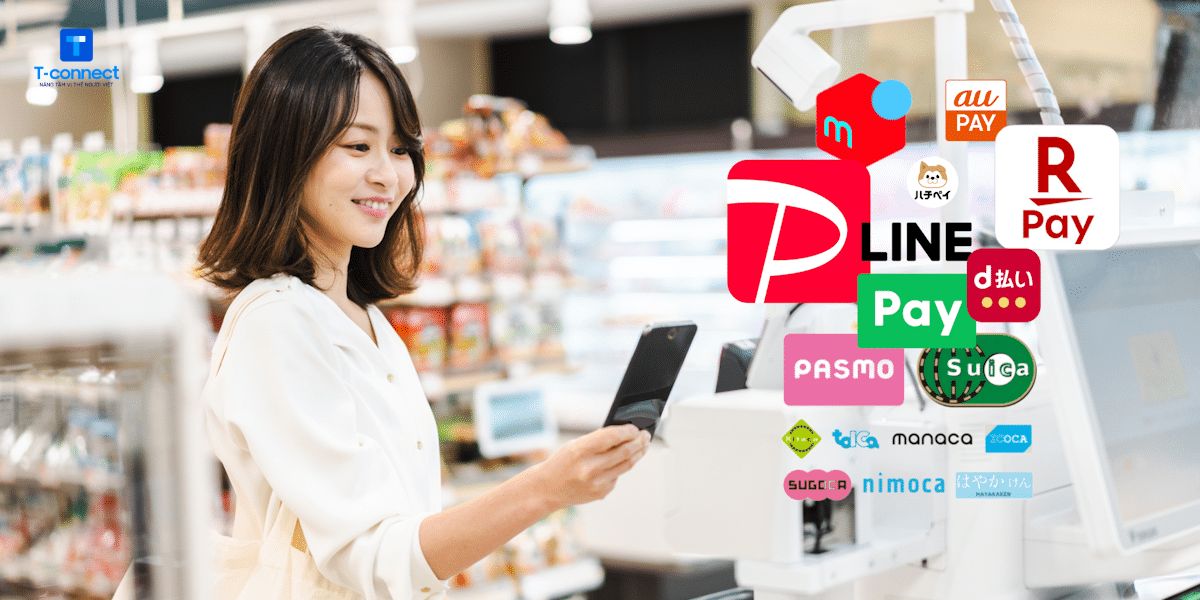
Japan moves towards cashless living
Japanese society is undergoing a strong payment revolution as the government aims to achieve 40% of cashless transactions by 2027. This change not only brings convenience to people but also promotes the development of the digital economy.
Japan used to be known as the country with the highest rate of cash usage in the world. However, the COVID-19 pandemic and the government's incentive policies have completely changed the payment habits of Japanese people. Understanding the current forms of payment in Japan will help foreign visitors and residents easily adapt to life here.
The Japanese government has implemented many incentive programs such as “cashback points” and consumption tax reductions for electronic payments. This has created a strong wave of conversion from cash payments to modern digital payment methods.
Summary of payment methods in Japan
Currently, residents and visitors in Japan can choose from a variety of payment methods. Each form has its own unique characteristics, suitable for specific needs and usage situations.
Traditional payment by cash
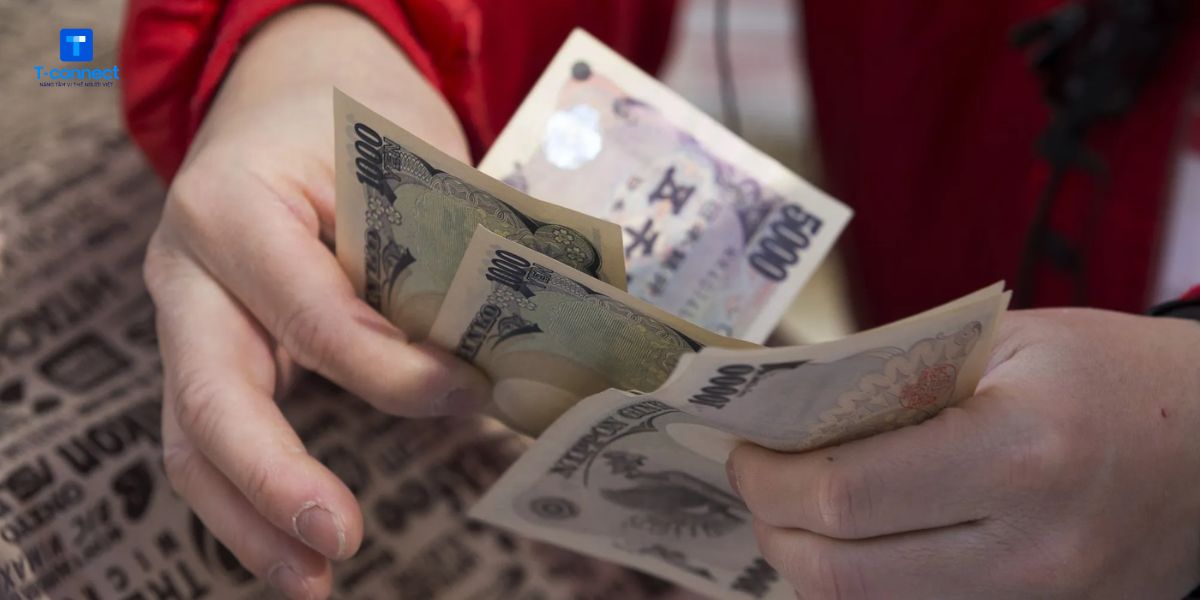
Cash is still one of the most widely used forms of payment in Japan, especially at small shops, traditional markets and some local restaurants.
The Japanese Yen (JPY) comes in denominations ranging from 1 yen to 10,000 yen, with coins of 1, 5, 10, 50, 100, 500 yen and notes of 1,000, 2,000, 5,000, 10,000 yen. Cash in Japan is highly secure with advanced anti-counterfeiting technology and is accepted almost everywhere.
One interesting aspect of cash culture in Japan is that there is no need to tip. Vendors always return exact change, and leaving a tip can even be considered impolite in some situations.
Advantage:
- Accepted everywhere
- Technology independent
- There are no transaction fees
- High security, no worries about personal information leakage
Disadvantages:
- Bulky to carry in large quantities
- Difficult to track spending
- No points or discounts
- Need to prepare small change
Payment by bank transfer
Bank transfers are a popular form of payment in Japan for large-value transactions such as renting a house, buying a car, or paying tuition fees.
Most banks in Japan offer online transfer services via internet banking or mobile applications. Some major banks such as Mizuho, MUFG, and Sumitomo also support 24/7 transfers, allowing users to make transactions more flexibly.
Advantage:
- Safe for large value transactions
- Can be done remotely via internet banking
- Save detailed transaction history
- No need to carry cash
Disadvantages:
- There are transaction fees
- Processing time required (especially on weekends)
- Requires accurate account information
- Not convenient for daily shopping
Pay by credit or debit card
Credit and debit cards are becoming one of the most popular forms of payment in Japan, especially after the government promoted cashless payments.
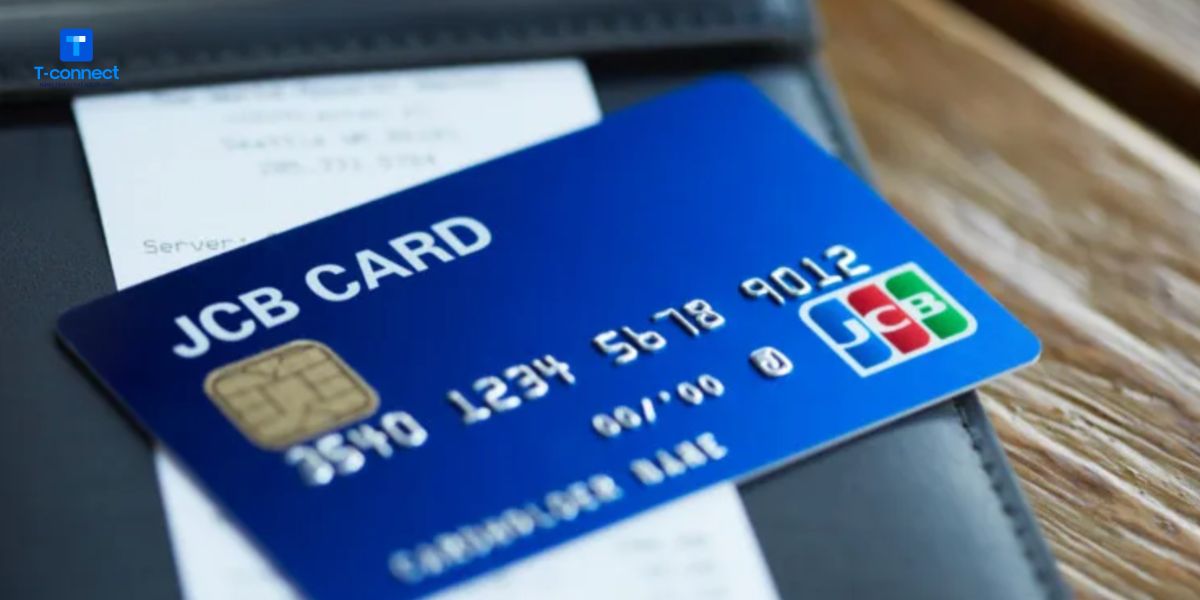
Popular card brands in Japan include JCB (domestic brand), Visa, Mastercard, and American Express. JCB is especially popular because it is a credit card brand originating from Japan, is widely accepted, and often has special promotions.
Advantage:
- Accumulate reward points and cashback
- High security
- Convenient for online and international transactions
- No need to carry cash
- Interest-free installments available at many stores
Disadvantages:
- Not accepted at some small stores
- Need to manage spending carefully to avoid debt
- There may be an annual fee.
- Complicated registration procedures required for foreigners
Payment by IC card
Among the forms of payment in Japan, IC (Integrated Circuit) card is the most unique and convenient form of payment, originally developed for public transportation systems but now expanded to many other areas.
Popular IC cards include Suica (JR East), Pasmo (Tokyo Metro), Icoca (JR West), and many local cards. In addition to paying for subway and bus fares, IC cards are accepted at most convenience stores, vending machines, supermarkets, and many restaurants. Users simply tap their card on a reader and the transaction is completed in seconds.
Advantage:
- Extremely fast transactions (tap and go)
- Widely accepted
- Deposits can be made at ATMs or counters.
- Integrate multiple services (transportation, shopping)
- No PIN or signature required
Disadvantages:
- Deposit amount limit (maximum 20,000 yen)
- No points feature
- Easy to lose and difficult to recover balance
- Need to top up regularly
Payment by e-wallet
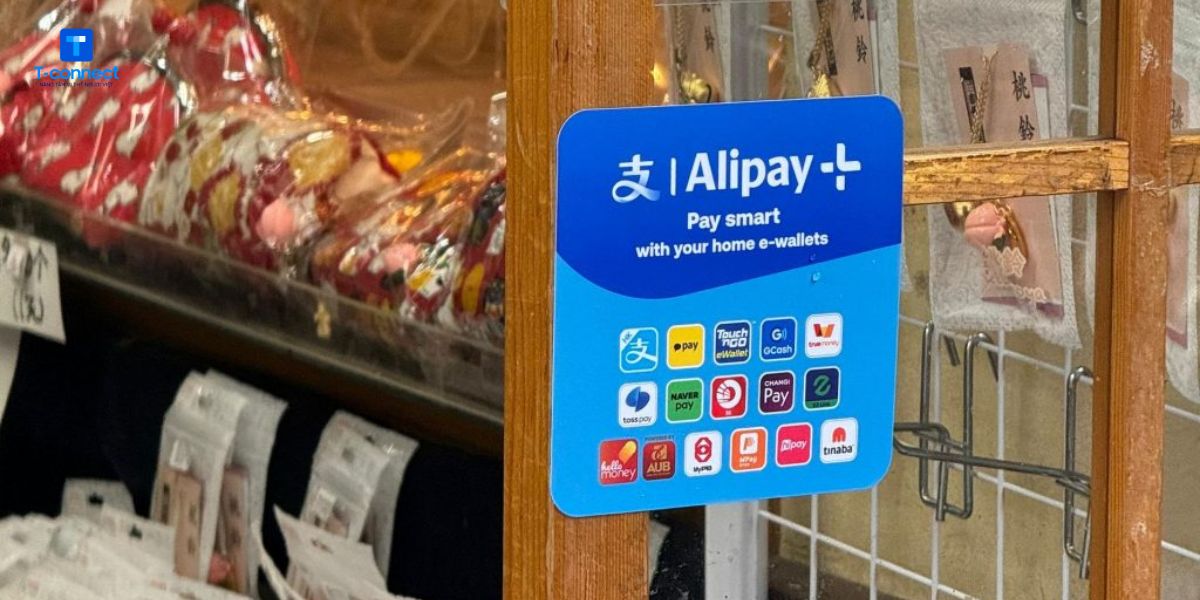
E-wallets are a prominent trend in Japan, with the strong development of QR code and NFC technology. Some popular e-wallets in Japan today are:
- PayPay is the most popular e-wallet in Japan, developed by SoftBank and Yahoo Japan, providing many features such as QR code payment, money transfer to friends, bill payment, and reward points accumulation.
- LINE Pay integrated into the LINE application – Japan’s most popular social network. This allows users to conveniently text and make payments at the same time.
- Rakuten Pay Developed by e-commerce group Rakuten, it has the advantage of integrating with the large Rakuten ecosystem. Users can accumulate Rakuten Points to use on many different services.
- d-Barai is an electronic wallet of the carrier NTT Docomo, especially popular with customers using Docomo's services. d-Barai can be paid via QR code, NFC, or integrated with the d Card.
- au PAY Developed by KDDI (au), it offers a variety of payment services and often has special promotions for au customers.
- Apple Pay Built-in on iOS devices, supports contactless payments at many stores and can add credit cards and IC cards for use.
Advantage:
- Fast transaction with QR code
- Earn points and receive offers
- Can transfer money to friends
- Track detailed spending history
- Many attractive promotions
Disadvantages:
- Internet connection required to use
- Depends on phone battery
- Some small stores do not support
- It takes time to get used to the interface
Payment at convenience stores
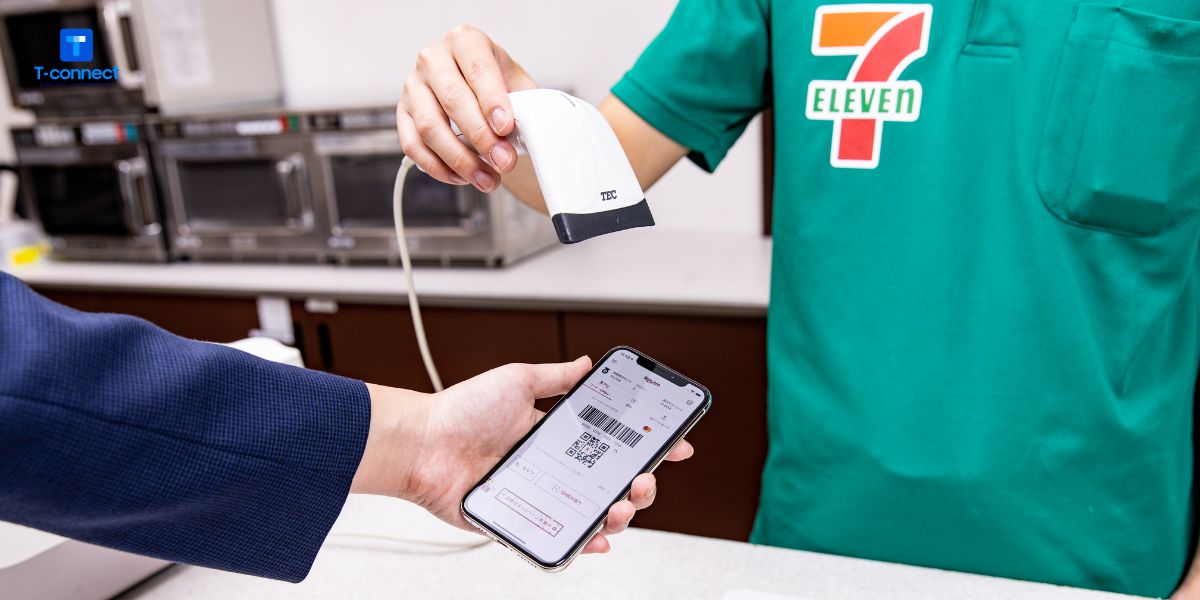
Among the payment methods in Japan, large convenience stores such as 7-Eleven, FamilyMart, and Lawson are convenient payment points for many people. You can pay for electricity, water, gas, taxes, school fees, and even online orders from Amazon and Rakuten.
This service is especially useful for people who do not have a credit card or want to pay in cash for online transactions. Combini are open 24/7 and are ubiquitous, making payment extremely convenient.
Advantage:
- Open 24/7, everywhere
- Can pay many different types of bills
- Payment support for online shopping
- Friendly support staff
- No bank account required
Disadvantages:
- Need to move to the store
- There may be queues during peak hours.
- Payments are only available during business hours for some services.
- Must bring correct payment code
Important notes when choosing payment method
When choosing payment methods in Japan, you should consider factors such as:
- AccessibilityFor example, newcomers may not be familiar with using Japanese credit cards or banks, and may prefer e-wallets or cash.
- Intended use: To earn points, it is best to use a credit card or Rakuten Pay. If you need flexible payment, PayPay or LINE Pay are good options.
- Safety and security: E-wallets and IC cards are very safe if protected by passwords and biometrics. However, if you lose your phone, you need to lock your account immediately.
- Promotions and Cashback: Many e-wallets and bank cards have financial incentives, so combine them with choosing a place that accepts them to save costs.
Hopefully, this article has provided a comprehensive overview of payment methods in Japan, from traditional to modern. Depending on your personal needs and level of familiarity with technology, you can flexibly choose between cash, bank cards, e-wallets or IC cards. This diversity is a plus point that helps life in Japan become more convenient and economical every day.
When you want to use payment methods in Japan such as e-wallets, IC cards or connect to Japanese banks for quick payments, a telecommunications support platform like T-connect It is becoming more and more necessary. T-connect provides high-speed data SIM cards, ensuring that you always have an Internet connection to scan QR codes, use PayPay, LINE Pay or top up online anytime, anywhere. Furthermore, Vietnamese support service helps those who are not fluent in Japanese to still use payment methods easily. That is why T-connect is the ideal companion for a cashless life in Japan.

T-connect & DCOM signed a cooperation agreement to enhance digital experiences for the Vietnamese user community in Japan.
On November 17, 2025, T-connect & DCOM officially signed a [...]
ANSWERS TO FREQUENTLY ASKED QUESTIONS WHEN PAYING FOR MY T-CONNECT WITH DCOMPAY
T-Connect officially cooperates with DCOM, launching DCOMPay payment method [...]
T-CONNECT CUP 2025 FOOTBALL TOURNAMENT REGULATIONS – CELEBRATION OF T-CONNECT'S 6TH ANNIVERSARY
The T-connect Cup 2025 football tournament is one of the sporting events [...]
Should I stay in Japan or return to Vietnam? 5 perspectives to help you make the right choice
After many years of studying and working in Japan, many people [...]
Which apps should Vietnamese people in Japan download? 15 essential apps when in Japan
Living, studying or working in Japan always comes with many [...]
5 tips to ship goods from Vietnam to Japan cheaply and safely
The demand for shipping goods from Vietnam to Japan is increasing, especially [...]
What do you need to prepare when converting your Japanese driver's license to Vietnam's? 7 important documents
While living and studying in Japan, many Vietnamese people have [...]
How does Japan handle waste? 5 waste treatment technologies in Japan that surprise the world
Japan is known as a country with a waste management system [...]