
 Home
Home About
About Product
 News
News  Media channels
 Guide
GuideEye health plays an important role in life, especially for those who are studying and working in a busy country like Japan. However, many Vietnamese people are still concerned about the cost and process. eye exam in japan: Is it expensive, what do I need to prepare, does insurance cover it? This article will help you answer all questions, and share practical experiences to make going to the doctor simpler and more economical.
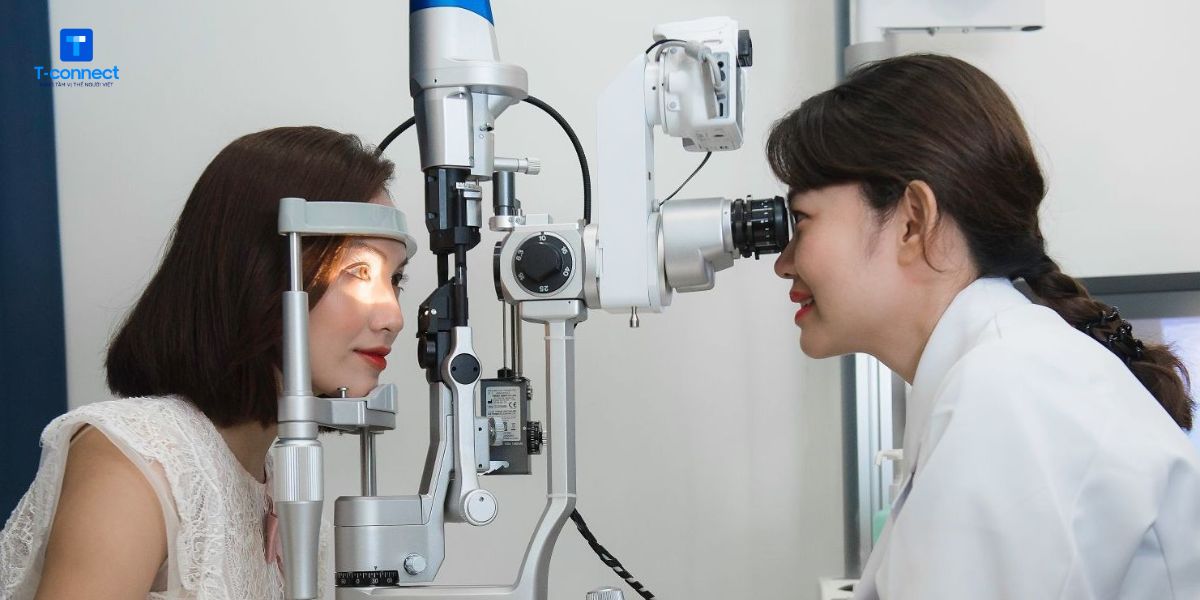
Hospitals and eye clinics in Japan
The Japanese healthcare system offers a wide range of options for eye exams in Japan, from large hospitals to small specialist clinics. Choosing the right location will affect the quality of service and the cost you have to pay. When you need an eye exam in Japan, you can go to:
- Public hospital or university hospital: University hospitals such as Tokyo University, Keio University or public hospitals often have ophthalmology departments with experienced doctors.
- Specialized Eye Clinic (眼科 – Ganka): distributed throughout residential areas, especially concentrated at major train stations. These clinics often have shorter waiting times and more attentive service, but the cost of eye exams in Japan can be higher than at public hospitals.
- Big eye bathroom chain: Some famous eye clinic chains such as Shinagawa Clinic, SBC Clinic or Tokyo Eye Clinic specialize in eye examinations and laser surgery. This is a good choice for those who want to have an eye examination in Japan with high quality service and English speaking staff.
Actual eye exam cost in Japan for Vietnamese
One of the biggest concerns when getting an eye exam in Japan is the cost. This varies depending on whether you have health insurance or not.
Cost of having health insurance
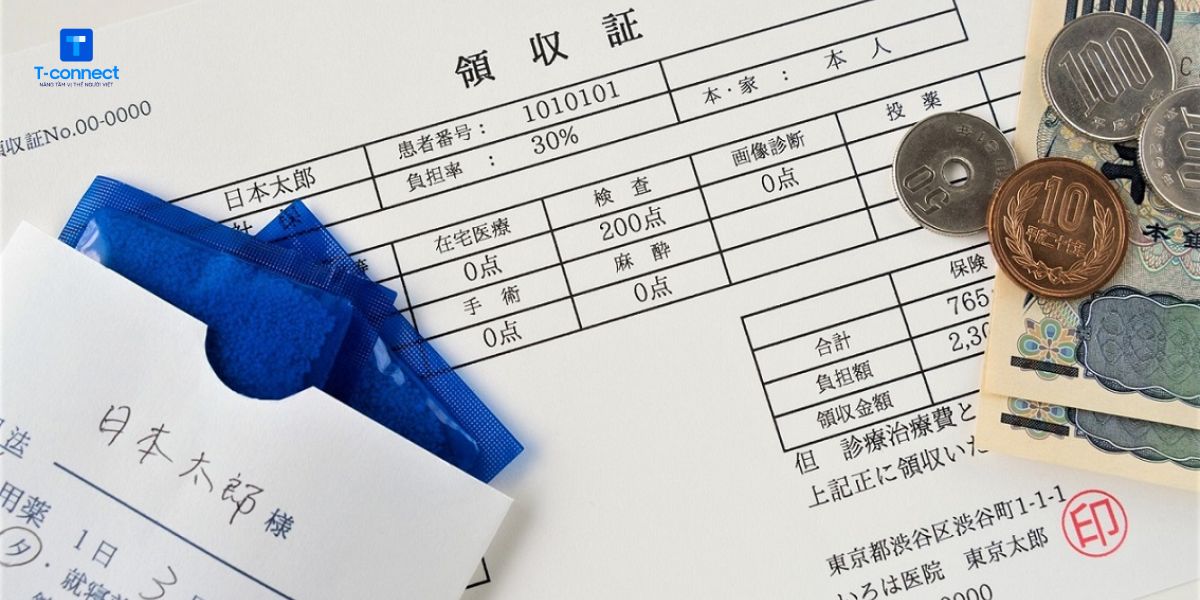
With Japanese health insurance (国民健康保険 – Kokumin Kenko Hoken), you only have to pay 30% of the total medical expenses. This makes getting an eye exam in Japan financially easier. The specific costs are as follows:
- General eye examination: 1.000-2.000 yen (about 180.000-360.000 VND)
- Visual acuity and refraction testing: 500-800 yen (about 90.000-145.000 VND)
- Fundus photography: 1.200-1.800 yen (about 215.000-325.000 VND)
- Intraocular pressure measurement: 300-500 yen (about 55.000-90.000 VND)
If more advanced tests such as OCT (Optical Coherence Tomography) are needed, the cost will increase to around 3.000-5.000 yen. In total, a full eye exam in Japan with insurance usually ranges from 3.000-8.000 yen (540.000-1.450.000 VND).
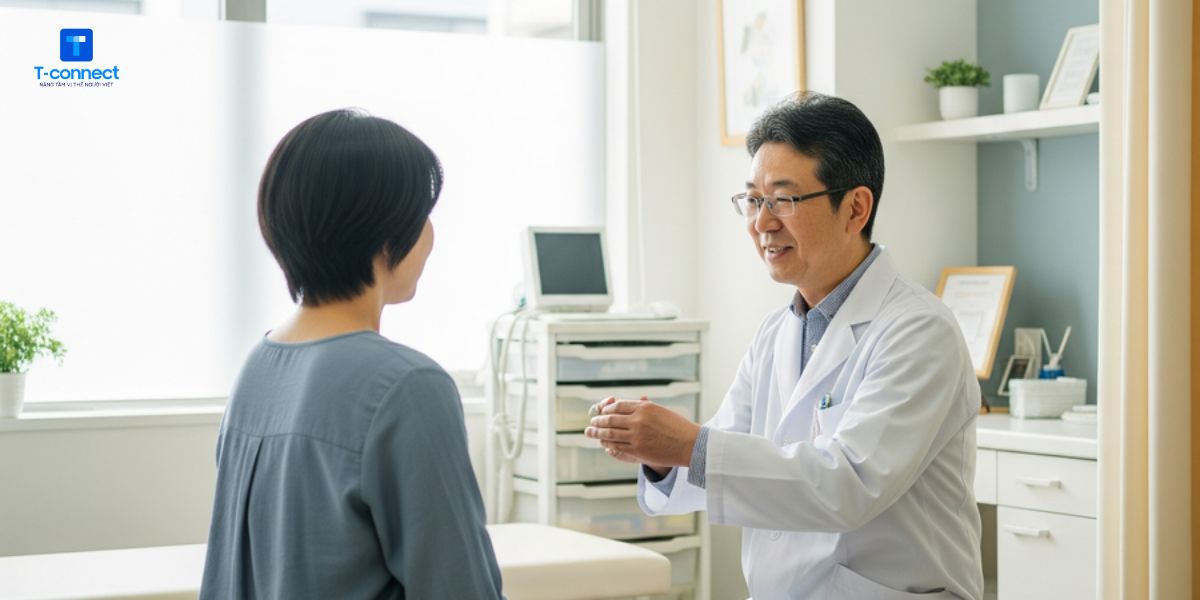
Costs without health insurance
For those without health insurance or tourists, the cost of eye exams in Japan will be significantly higher because 100% of the treatment costs will be covered.
A comprehensive eye exam in Japan without insurance can cost between 15.000-30.000 yen (2.700.000-5.400.000 VND). Therefore, signing up for health insurance is extremely important for those who settle in Japan long term.
Cost of making glasses in Japan
In addition to the examination fee, many people are also concerned about the cost of glasses:
- Regular glasses: 5.000 - 10.000 yen/pair.
- Anti-blue light glasses, multifocal or special: from 15.000 yen and up.
Some stores like JINS and Zoff have a package of eye examination + glasses making at a reasonable cost, very suitable for international students.
Eye examination process in Japan
The eye exam process in Japan is relatively simple, but if you are not used to it, you may feel confused. It usually includes:
- Make an appointment or come in person: Some clinics accept walk-in patients, but major hospitals usually require appointments.
- Check in at the front desk: Present health insurance card and residence card.
- Preliminary examination: Measure vision, check eye pressure, ask about symptoms.
- In-depth examination: Depending on the condition, the doctor may perform an ophthalmoscopy, examine the cornea, or prescribe medication.
- Get prescription/results:If necessary, your doctor will prescribe eye drops or provide contact lenses.
Examination time usually lasts 30 minutes to 1 hour, faster than many other specialties.
What to prepare when going for an eye exam in Japan
To make your eye exam in Japan go smoothly, you should prepare:
- Health insurance card: Helps reduce costs significantly.
- Thẻ cư trú (residence card): Required when going to the doctor.
- Current glasses or old prescription glasses: Doctors can easily compare changes in vision.
- Cash or card payment: Because not all clinics accept international cards.
Also, if you are not fluent in Japanese, you should prepare some basic vocabulary or download a translation app. Some clinics have staff who can speak English, but not all. Being prepared with the language will help your eye exam in Japan go more smoothly.
Practical experience when going for an eye exam in Japan
Based on the experience of many Vietnamese people who have had eye exams in Japan, there are some important things you should keep in mind to have the best experience:
- Should go see a doctor soon: Especially when there are signs of eye fatigue and blurred vision due to studying and working with computers too much.
- Waiting time may be long: You should bring a book or a spare charger if you go to a large hospital.
- Doctors often prescribe eye drops.: For common diseases such as conjunctivitis and dry eyes, be patient and take medication as prescribed.
- Glass cutting in Japan is fast but expensive: If you just need basic glasses, you can buy them at cheap glasses stores.
- International students should take advantage of insurance: Because the cost is reduced to very cheap, much more economical than self-examination.
Giải đáp thắc mắc thường gặp
Can I use my Vietnamese prescription in Japan?
Each country has its own eye measurement standards. Prescriptions in Vietnam are often not accepted in Japan, so you will need to have your eyes measured again at a local clinic or optical shop.
Are international students covered by eye examination insurance?
International students in Japan are required to join the National Health Insurance (国民健康保険), so the cost of eye examination in Japan is fully covered. The support level is 70% of the total medical examination and treatment costs.
How Long Does It Take to Get Test Results?
Most eye examination results in Japan are reported on the same day. However, some specialized tests may take 3-7 days to get final results.
Can Children Get Eye Exams?
All eye clinics in Japan offer eye exams for children. Some pediatric clinics have facilities and spaces specifically designed to accommodate children.
Eye examination in Japan is not too complicated, and the cost is reasonable if you have health insurance. Understanding the process, preparing all the necessary documents, and having some practical experience will help you save time and money. Whether you are an international student, an employee, or a seasonal worker, eye care should always be a priority to ensure long-term health.
In addition to learning about eye exams in Japan, many international students and workers also need stable telecommunication services to study and work effectively. T-connect is a brand specializing in providing cheap SIM cards, portable wifi and support services in Vietnamese, helping you stay connected in Japan. With T-connect, your life in the land of cherry blossoms will be more convenient and easier.

T-connect & DCOM signed a cooperation agreement to enhance digital experiences for the Vietnamese user community in Japan.
On November 17, 2025, T-connect & DCOM officially signed a [...]
ANSWERS TO FREQUENTLY ASKED QUESTIONS WHEN PAYING FOR MY T-CONNECT WITH DCOMPAY
T-Connect officially cooperates with DCOM, launching DCOMPay payment method [...]
T-CONNECT CUP 2025 FOOTBALL TOURNAMENT REGULATIONS – CELEBRATION OF T-CONNECT'S 6TH ANNIVERSARY
The T-connect Cup 2025 football tournament is one of the sporting events [...]
Should I stay in Japan or return to Vietnam? 5 perspectives to help you make the right choice
After many years of studying and working in Japan, many people [...]
Which apps should Vietnamese people in Japan download? 15 essential apps when in Japan
Living, studying or working in Japan always comes with many [...]
5 tips to ship goods from Vietnam to Japan cheaply and safely
The demand for shipping goods from Vietnam to Japan is increasing, especially [...]
What do you need to prepare when converting your Japanese driver's license to Vietnam's? 7 important documents
While living and studying in Japan, many Vietnamese people have [...]
How does Japan handle waste? 5 waste treatment technologies in Japan that surprise the world
Japan is known as a country with a waste management system [...]