
 Home
 About
 Product
 News
 Media channels
 Guide
Kyoto – a place that preserves the soul of Japanese culture with more than 1.600 ancient temples, exquisite traditional gardens and cobblestone streets from the Edo period. This article will take you to discover the most beautiful Kyoto tourist destinations, must-try specialties and the most economical Kyoto travel experience for your upcoming trip.
Discover Kyoto – The ancient capital in the heart of Japan
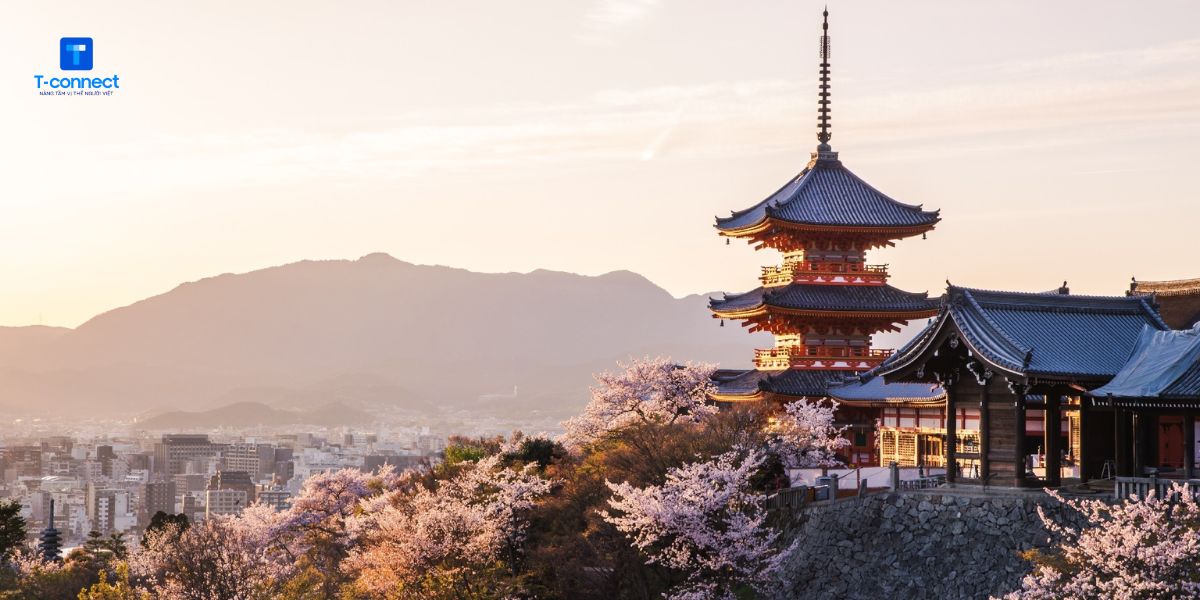
Kyoto, once the capital of Japan for over 1.000 years, is considered the heart of traditional culture in the land of cherry blossoms. Unlike modern and bustling Tokyo, Kyoto tourism gives visitors the feeling of being lost in an ancient Japan with ancient temples, pagodas, meticulously cared for gardens and old streets that retain the architecture from centuries ago. Kyoto tours are an opportunity for visitors to experience an original Japan - where kimono, tea ceremony and cherry blossoms coexist as a part of daily life.
The city has a well-developed public transportation network, making it very convenient to travel between tourist attractions in Kyoto. Osaka Kyoto tourism is also very popular with the Japanese as it is easy to travel from Osaka to Kyoto in just 15-30 minutes by bullet train.
When should I travel to Kyoto?
Kyoto is beautiful all year round, each season has its own charm. Below are the highlights of each season to help you choose the right time for your trip.
Kyoto Spring Travel
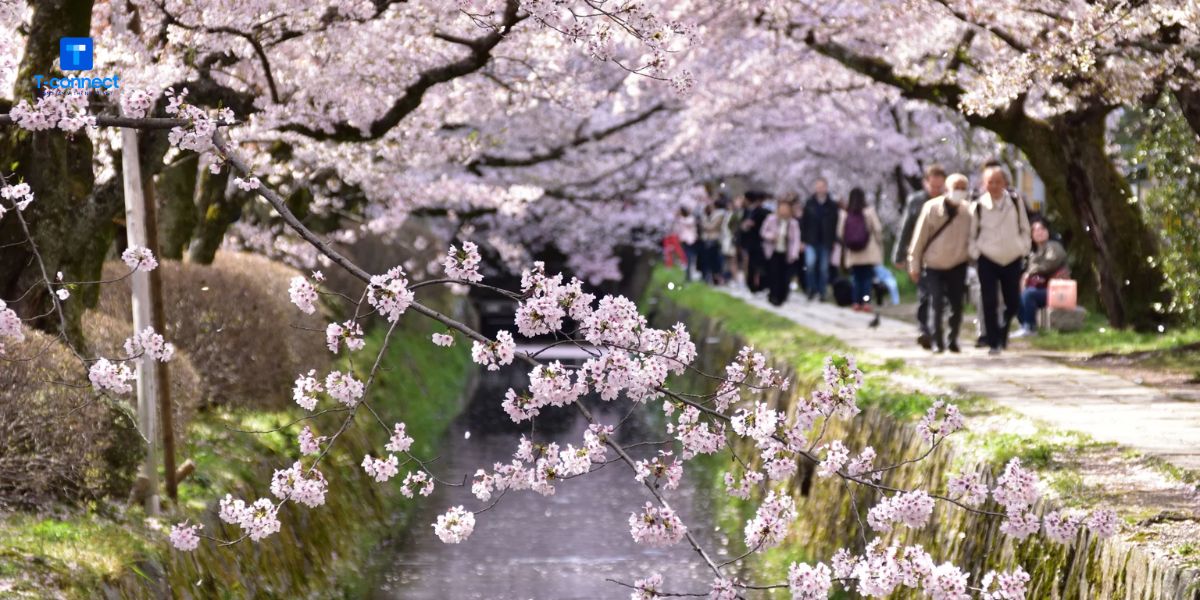
Spring is the best time to visit Kyoto to enjoy the brilliant beauty of thousands of cherry blossoms in full bloom. From late March to early April, the streets, temples and parks in Kyoto are covered in pink flowers. In particular, Philosopher's Walk, Maruyama Park and Kiyomizu Temple are prominent tourist spots in Kyoto for flower viewing.
In addition, spring is also the occasion for Hanami festival - a typical Japanese flower viewing tradition. Don't forget to prepare your camera to capture the picturesque moments of Kyoto in spring.
Kyoto Summer Travel
If you want to experience the vibrant local culture, visiting Kyoto in the summer is an interesting choice. From June to August, Kyoto holds many big festivals such as Gion Matsuri – one of the three biggest festivals in Japan. Visitors can admire the magnificent processions and join in the bustling festival atmosphere.
Kyoto tourist spots like Kifune Shrine and Kiyomizu-dera Temple are beautifully lit with lanterns and paper lanterns at night. Summer is also the perfect time to enjoy cool foods like cold noodles (somen) or green tea ice cream.
Kyoto Autumn Travel
From mid-November to early December, Kyoto transforms into a brilliant red maple leaf. This is considered the best season to visit Kyoto. Kyoto tourist destinations such as Tofukuji Temple, Arashiyama and Kiyomizu Temple are ideal places to enjoy autumn scenery.
The cool air, gentle sunshine and idyllic scenery make autumn a favorite time for both tourists and locals.
Kyoto winter travel
From December to February, Kyoto becomes more peaceful and less crowded. This is the ideal time for those who want to avoid the crowds. The sight of temples and shrines covered in white snow creates a picturesque scene. In particular, Kinkaku-ji Temple (Golden Pavilion) reflected on the snow-covered lake is one of the iconic images of winter travel in Kyoto. Visitors can also experience onsen (hot springs) and enjoy hot dishes such as nabe (Japanese hot pot) in the cold weather.
Top 8 most beautiful Kyoto tourist destinations not to be missed
Kyoto has thousands of diverse tourist attractions, from ancient temples and shrines to traditional neighborhoods and beautiful natural landscapes. Here are 8 places not to be missed when traveling to Kyoto.
Fushimi Inari Taisha Shrine
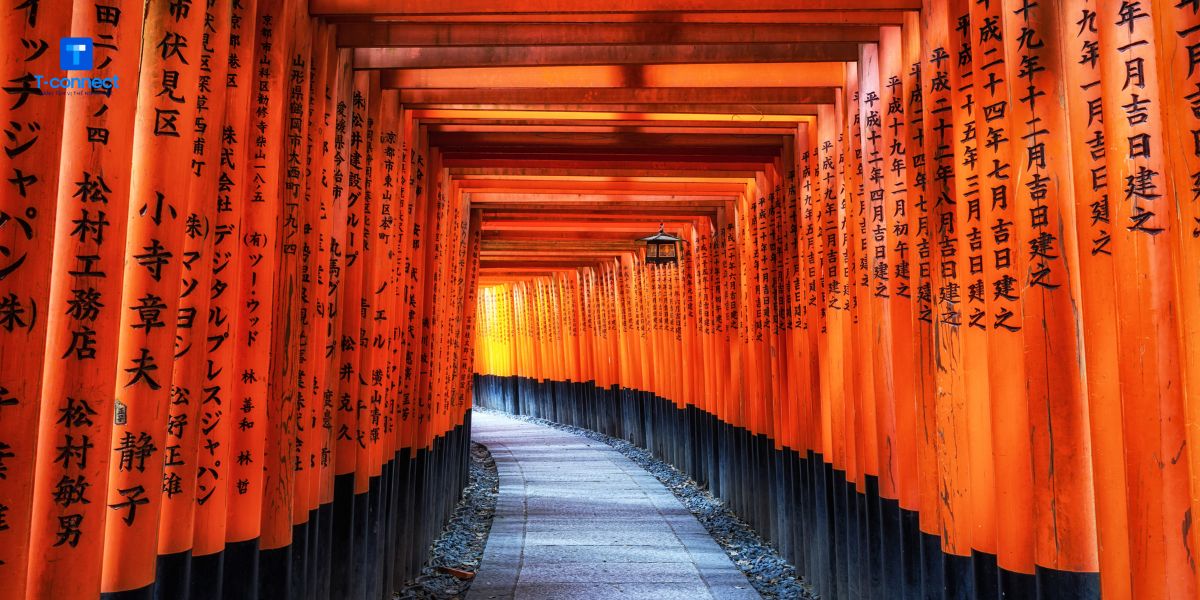
Fushimi Inari Taisha is famous for its thousands of red-orange torii gates lining the path up Mount Inari. The shrine is dedicated to Inari, the Shinto god of rice, agriculture, and business. The torii path is about 4km long and can take about 2-3 hours to walk the entire way. However, you don’t have to walk all the way and can turn around at any point along the way. The shrine is open 24/7 and admission is free, making it one of the most popular tourist attractions in Kyoto.
Arashiyama Bamboo Forest
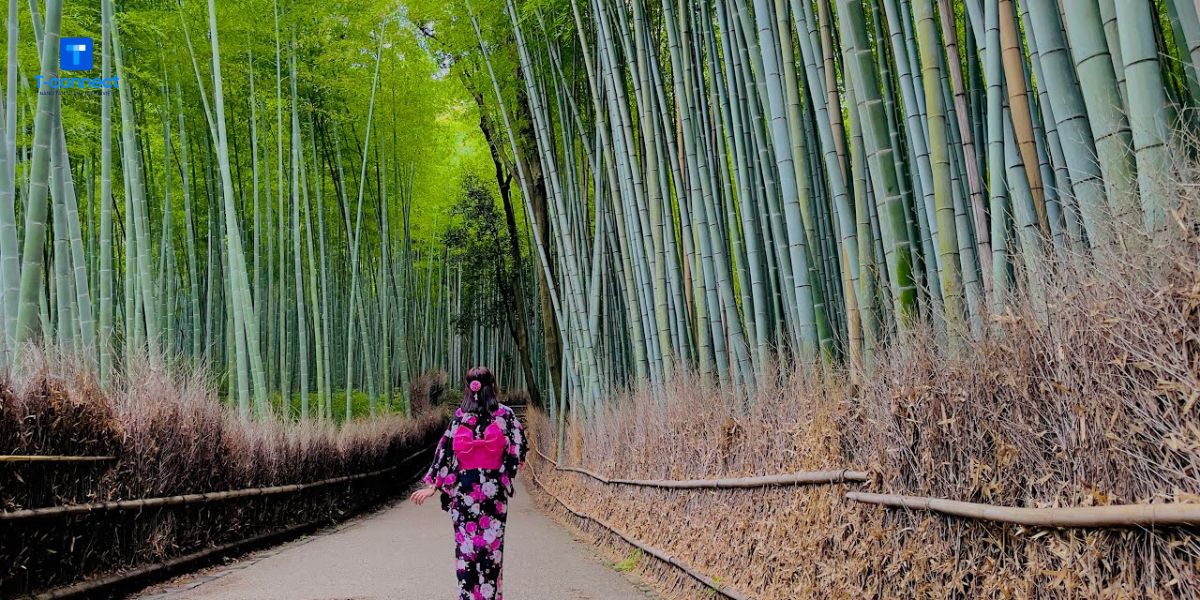
One of the iconic images when mentioning Kyoto tourism is the walking path through the Arashiyama bamboo forest. The tall bamboo trunks form a cool green tunnel, the wind blowing through creates a characteristic whistling sound that is recognized by Japan as one of the "natural sounds" that need to be preserved. This is a very popular tourist destination in Kyoto for visitors who want to get away from the hustle and bustle of the city.
In addition to the bamboo forest, the Arashiyama area also has many other attractions such as Tenryu-ji Temple, Togetsukyo Bridge, and Iwatayama Monkey Park.
Kinkaku-ji Temple (Golden Temple)
Kinkaku-ji, also known as the Golden Pavilion, is one of the most famous structures in Japan. Originally built in 1397, the temple has been burned down several times and the current version was rebuilt in 1955. The upper two floors of the temple are covered with pure gold leaf, creating a sparkling image reflected on the surface of the pond, especially beautiful on sunny days. This is one of the Kyoto tourist attractions that cannot be missed on a journey to explore the ancient capital.
Gion Old Town
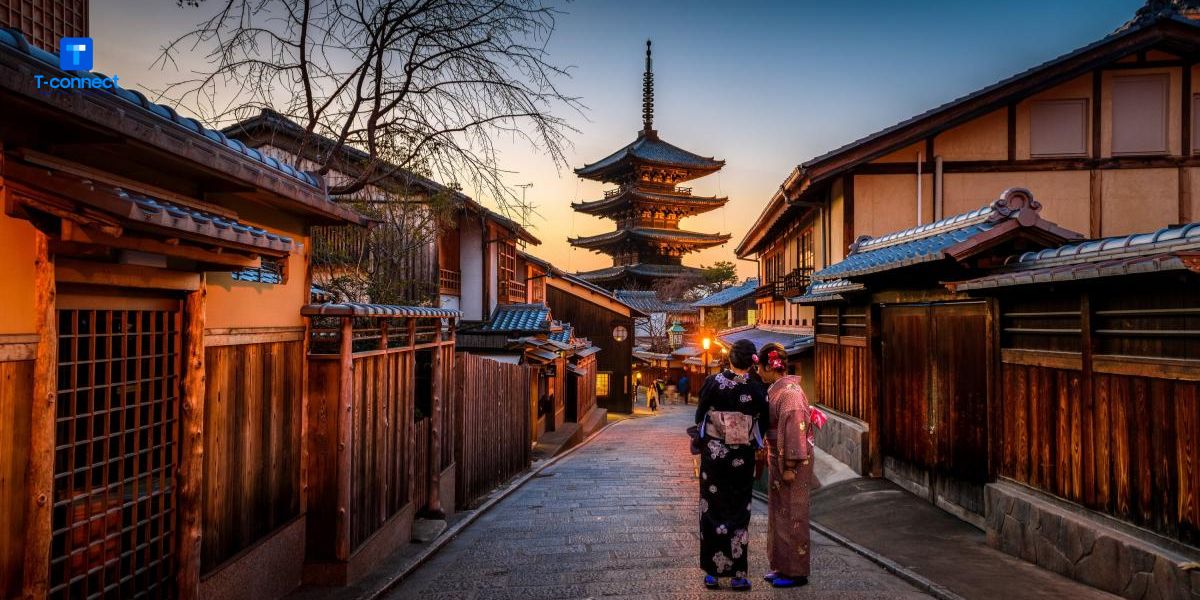
Gion is Kyoto's most famous geisha district, where you can see maiko (apprentice geisha) and geiko (geisha) in traditional dress in the evenings. Hanami-koji Street, lined with old wooden houses, gives the area an Edo-era feel. The area is also famous for its many traditional restaurants and tea houses. Visit Gion in the evening to fully experience the old-fashioned atmosphere of the district.
Kyoto Tower
The 131m high Kyoto Tower is a rare modern building in the heart of the ancient city. From the observation deck on the tower, visitors can enjoy a 360-degree panoramic view of Kyoto. Especially at sunset, when the sunlight shines on the temples and surrounding mountains, the scene becomes extremely spectacular. The tower is located opposite Kyoto Station, so it is very convenient to visit as soon as you arrive in the city during your Kyoto tour.
Nishiki Market
Known as “Kyoto’s kitchen”, Nishiki Market is a paradise for food lovers. The market street is about 400m long with more than 100 shops and stalls selling fresh food, dried goods, spices and Kyoto specialties. Visitors can enjoy snacks such as dango (grilled rice cakes), takoyaki (octopus balls) or yuba (bean curd) right at the market. This is also an ideal place to buy culinary-related souvenirs such as Japanese knives, wooden chopsticks or Uji tea.
Philosopher's Path
Philosopher’s Path is a paved path along a small canal, named after the famous philosopher Kitaro Nishida who used to walk and meditate here. The path is about 2km long, starting at Ginkaku-ji Temple (Silver Pavilion) and ending near Nanzen-ji Temple. In spring, this is one of the best cherry blossom viewing spots in Kyoto, when the entire path is bathed in pink. Along the way, there are many cafes, craft shops and small shrines to stop and explore.
Nijo Castle
Nijo Castle was built in 1603 as the Kyoto residence of Tokugawa Ieyasu, the first shogun of the Edo period. The castle is famous for its “singing bird floor” which was specially designed to make a sound when stepped on, to warn of intruders. The architecture and interior decoration of the castle reflect the power and wealth of the shoguns at that time. The Japanese garden surrounding the castle is also a highlight of this Kyoto tourist destination.
What to eat when traveling to Kyoto
Kyoto cuisine is famous for its sophistication, lightness and harmony in preparation. Here are the dishes you must try.
Kaiseki Ryori – Kyoto Imperial Cuisine
Kaiseki is the essence of Japanese cuisine, a multi-course meal presented in an artistic and sophisticated way. Developed from the tea ceremony and imperial cuisine, Kyoto Kaiseki is famous for its use of seasonal and local ingredients. A traditional Kaiseki meal can include 7-15 dishes, from soup, sashimi, steamed, grilled, fried dishes to desserts. Although the Kaiseki experience is quite expensive, it is an indispensable part of the journey to explore the culinary culture when traveling to Kyoto.
Yudofu – Hot Tofu
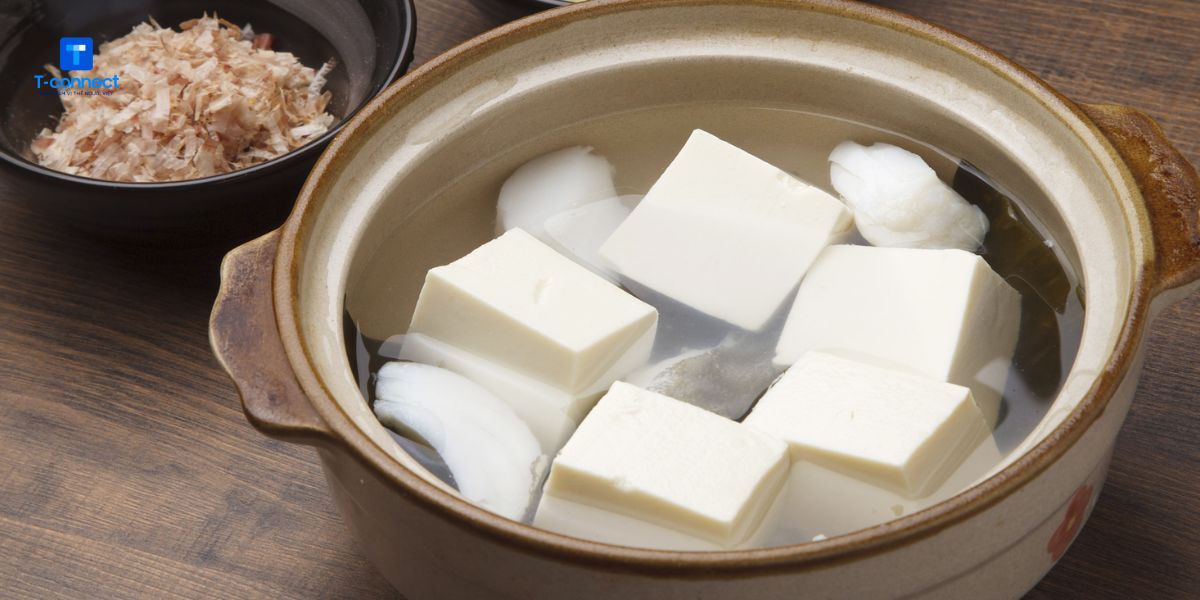
Yudofu (tofu cooked in broth) is a Kyoto specialty, especially popular in winter. Soft tofu is cooked in a light konbu (seaweed) broth, then served with soy sauce, green onions and minced ginger. Simple yet sophisticated, this dish reflects Kyoto’s culinary philosophy of respecting the natural flavors of the ingredients. Many temples in Kyoto, such as Nanzen-ji, have restaurants that specialize in serving Yudofu to visitors.
Obanzai – Family Meal
Obanzai is a traditional Kyoto home-style cuisine that focuses on using local and seasonal ingredients. Obanzai is characterized by simply preparing seasonal vegetables to preserve their natural flavors. An Obanzai meal typically consists of several small dishes served with rice and miso soup. It is a great way to experience the everyday cuisine of Kyoto people, as opposed to the more elaborate Kaiseki meals.
Kyo-zushi – Sushi Kyoto
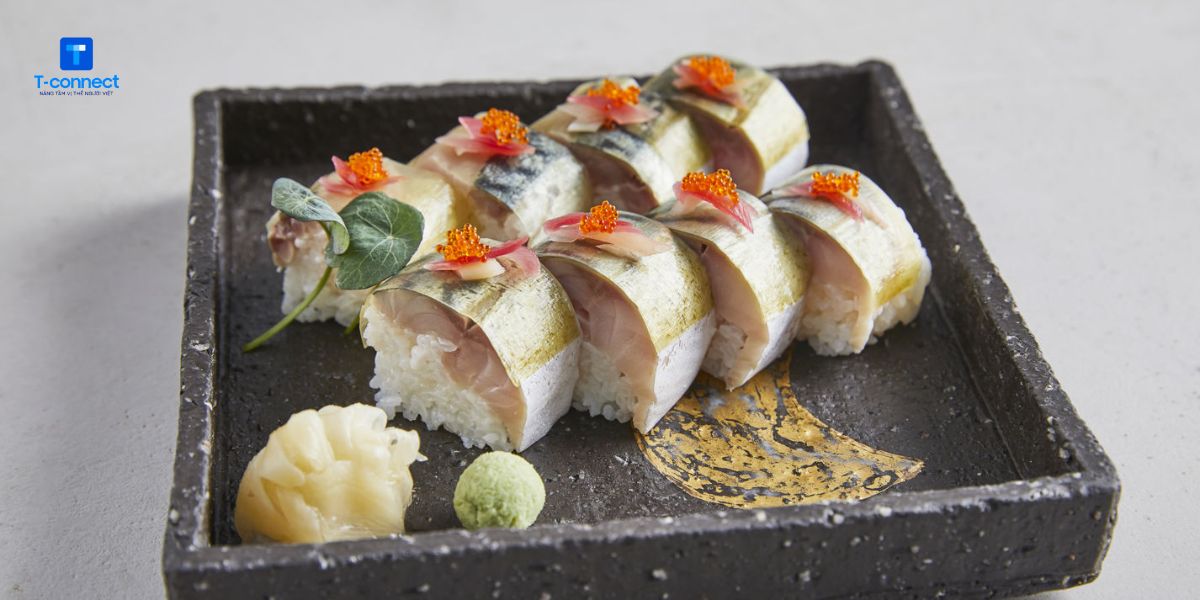
Unlike Tokyo sushi, which typically uses fresh seafood, Kyo-zushi (Kyoto sushi) is characterized by its fish-marbling and preservation techniques, reflecting Kyoto's landlocked location. Saba-zushi (mackerel sushi) is one of the most famous types of Kyo-zushi, with mackerel marinated in salt and vinegar and then rolled in sushi rice. Every year, thousands of tourists come to Kyoto to enjoy this special dish during their Kyoto travel itinerary.
Yatsuhashi – Kyoto specialty waffles
Yatsuhashi is one of Kyoto’s most famous traditional sweets and a popular souvenir. There are two types: nama-yatsuhashi (soft, unbaked) and yaki-yatsuhashi (crispy, baked). Nama-yatsuhashi are made from glutinous rice flour, sugar and cinnamon powder, are triangular in shape and are often filled with sweet red bean paste (anko) or other fillings such as green tea or chocolate. Crispy yaki-yatsuhashi are shaped like a koto, a traditional Japanese musical instrument. Yatsuhashi can be found at most specialty stores in the city.
Experience of traveling to Kyoto economically and effectively
To have a complete and economical trip to Kyoto, you should note some of the following experiences:
- Buy the Kyoto City Bus Pass if you travel a lot by bus during the day, which allows unlimited bus rides within the central Kyoto area.
- Purchase the JR West Kansai Area Pass, which allows unlimited JR train travel in the Kansai area, including Kyoto, Osaka, Nara, and Kobe.
- Have lunch at small shops and supermarkets instead of fancy restaurants to save money and still enjoy delicious food.
- Visit many temples for free or buy combo tickets to save money if you visit many places.
Traveling to Kyoto offers visitors a rare opportunity to immerse themselves in Japanese culture and history. Take time not only to visit famous sites but also to feel the slow, peaceful pace of life in the ancient capital, enjoy a cup of tea, or simply stroll through the ancient streets. That is the true spirit of Kyoto tourism - where the past and present blend harmoniously to create one of the most attractive destinations in Japan and the world.
If you are residing in Japan and need a reliable telecommunication service, T-connect is the perfect choice for you! With a 100% Vietnamese team, we are always ready to support and bring attractive promotions, including free shipping for orders nationwide.
T-connect offers flexible mobile and internet packages, making it easy for you to stay in touch with family and friends back home. We are committed to providing professional and dedicated service, so that you always feel close and comfortable, no matter how far away. Come to T-connect to experience meaningful connections in your life!

Get a high-paying part-time job in Japan with these 5 useful tips
If you are struggling to find a high-paying part-time job at [...]
T-connect & DCOM signed a cooperation agreement to enhance digital experiences for the Vietnamese user community in Japan.
On November 17, 2025, T-connect & DCOM officially signed a [...]
ANSWERS TO FREQUENTLY ASKED QUESTIONS WHEN PAYING FOR MY T-CONNECT WITH DCOMPAY
T-Connect officially cooperates with DCOM, launching DCOMPay payment method [...]
T-CONNECT CUP 2025 FOOTBALL TOURNAMENT REGULATIONS – CELEBRATION OF T-CONNECT'S 6TH ANNIVERSARY
The T-connect Cup 2025 football tournament is one of the sporting events [...]
Should I stay in Japan or return to Vietnam? 5 perspectives to help you make the right choice
After many years of studying and working in Japan, many people [...]
Which apps should Vietnamese people in Japan download? 15 essential apps when in Japan
Living, studying or working in Japan always comes with many [...]
5 tips to ship goods from Vietnam to Japan cheaply and safely
The demand for shipping goods from Vietnam to Japan is increasing, especially [...]
What do you need to prepare when converting your Japanese driver's license to Vietnam's? 7 important documents
While living and studying in Japan, many Vietnamese people have [...]