
 Home
Home About
About Product
 News
News  Media channels
 Guide
GuideBuying a house in Japan is becoming a popular trend among the Vietnamese community in Japan. However, owning real estate in the land of the rising sun is not as simple as many people think. This article will provide detailed information about the process, costs and practical experiences when buying a house in Japan.
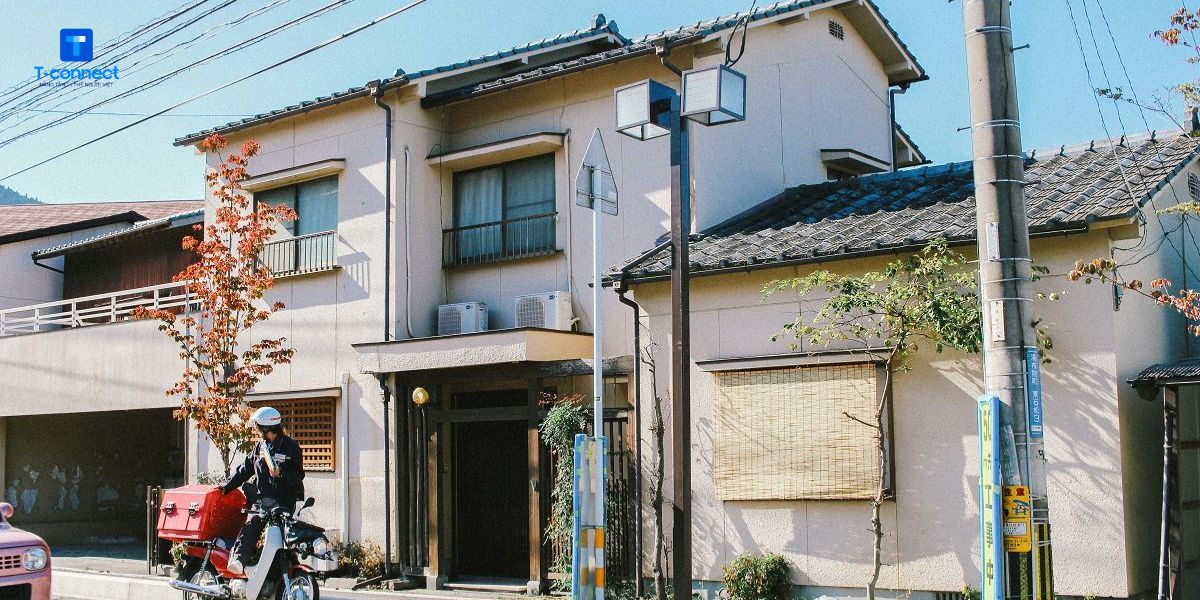
Should I buy a house in Japan?
Many foreigners ask, is buying a house in Japan worth investing in at the moment? The answer depends largely on your long-term goals, financial ability, and level of stability in life. Before making a choice, you need to carefully consider the pros and cons to have the most comprehensive perspective.
Advantages
First, the Japanese real estate market is highly liquid, and property values are relatively stable over time. This gives buyers peace of mind about the ability to preserve and grow their assets.
Second, the legal system is transparent and fair to foreigners. Japan has no regulations restricting foreigners from owning real estate, creating favorable conditions for buying houses in Japan. The purchase and sale procedures are carried out seriously, ensuring the rights of both parties.
Third, the construction quality and safety standards are high. Japanese houses are designed to withstand earthquakes, have good soundproofing and are energy efficient. This gives buyers peace of mind about the quality of their long-term lives.
Finally, buying a house in Japan also brings investment benefits. You can rent it out to generate passive income, especially in big cities like Tokyo and Osaka where the demand for rental housing is always high.
Disadvantages
Along with the advantages, buying a house in Japan also has certain challenges. The initial cost is quite high, including the purchase price and related fees such as taxes, brokerage fees, and ownership registration fees.
The language barrier is a major challenge. Most legal documents and procedures are in Japanese, requiring the assistance of a professional translator or brokerage firm.
Annual maintenance costs also need to be carefully calculated. These include property taxes, management fees (for apartments), insurance premiums, and regular repair costs.
Finally, mortgage and loan regulations for foreigners are quite strict. Many banks require borrowers to have a stable income in Japan for a long time.
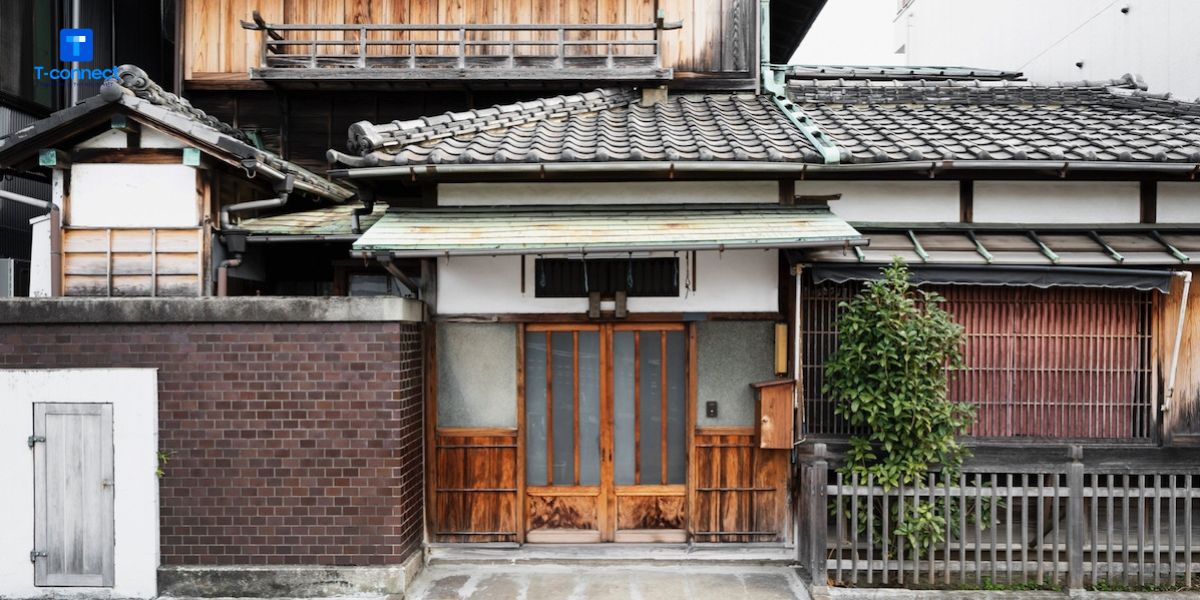
Conditions for foreigners to buy houses in Japan
Japan has a fairly open policy towards foreigners who want to buy houses in Japan. In principle, anyone can buy real estate in Japan, regardless of nationality or residence status.
However, to facilitate the transaction process, you should have the following conditions:
- Demonstrate financial capacity: demonstrate income, available assets and ability to pay.
- A valid residence card (zairyu card) with a minimum duration is required for Japanese spouses, international students, or technical engineers.
- Basic understanding of the laws and procedures for buying a house in Japan. This helps you avoid unnecessary risks during the transaction.
How much does it cost to buy a house in Japan?
Question "How much does it cost to buy a house in Japan?” is always a top concern. Housing prices in Japan vary greatly depending on location, size, age of the house and many other factors.
- In the provinces or suburbs, old houses cost around 20–30 million JPY, new houses range from 40–60 million JPY.
- In large cities like Tokyo, Osaka or Yokohama, old houses can cost from 40–60 million JPY, while new houses can cost up to 80–100 million JPY or more.
- With "Apartment” (apartment), prices range from 30–50 million JPY in smaller cities, and 50–80 million JPY in Tokyo for a 2–3 bedroom unit.
For example, if you buy a 50m² old house in Yokohama for 60 million JPY, you have to prepare about 6–12 million JPY as a deposit plus 10–15 million for transaction and renovation fees.
Procedures for buying a house in Japan
The process of buying a house in Japan is carried out in standardized and transparent steps. Understanding each step will help you prepare better.
Step 1: Search for property
You can find a house through the website Suumo.jp, Homes.co.jp or through a reputable broker. Meet in person, check the land use right certificate (登記事項証明書), ask about the age of the building, maintenance, and future planning around the area.
Step 2: Negotiation and deposit
Negotiate the price with the seller through a broker, usually deposit ~5–10%. This is an important step to keep priority, avoid the case of the other party abandoning the application. Sign a deposit commitment (手付金) to ensure your rights.
Step 3: Bank loan (if needed)
If you need a loan, prepare a complete application including a residence card, salary slips, bank statements and real estate documents. You will need to make a minimum deposit of 10–20% and prove that you are financially qualified and have not been rejected due to poor credit.
Step 4: Sign the official contract
After confirming the loan and agreeing to the terms, you will sign the purchase and sale contract (売買契約). Read carefully the content about payment responsibilities, taxes, and time to receive the house.
Step 5: Transfer & Transfer
You will register your new home ownership at the local office and bank. At the same time, pay the remaining amount, transfer fee, legal fees, taxes, and receive the house.
Step 6: Check the status after handover
If you buy an old house, carefully check the quality, electrical system, water, interior and request an inspection from an expert if necessary.
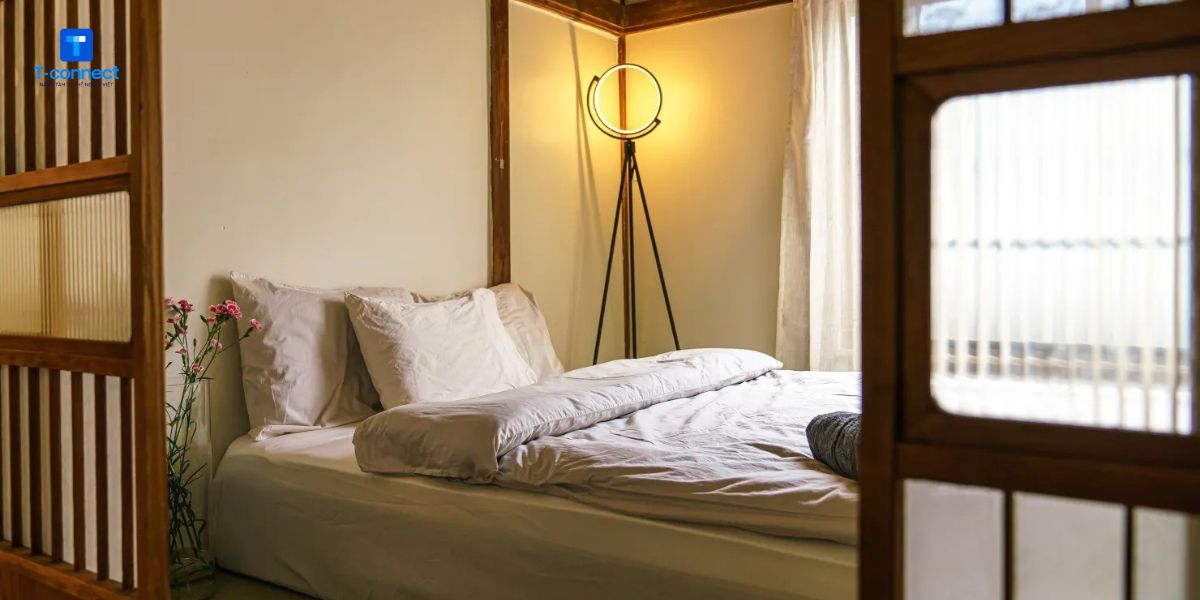
Experience buying a house in Japan for foreigners
Based on the experiences of many foreigners buying houses in Japan, there are some important notes you should know.
- Choose a location near amenities such as train stations, schools, hospitals, which not only make life convenient but also easy to resell later.
- Thorough legal due diligence: verify ownership, zoning, no disputes.
- Be careful with old houses, especially buildings over 30 years old. The earthquake-proof system should be carefully checked.
- Calculate your budget carefully, including brokerage fee (~3% of price) and taxes, maintenance, transfer fees.
- Prepare a support person who is good at Japanese to read the contract, do the procedures, avoid risks.
- Consult experts, maybe a lawyer, architect to make the right home buying decision.
Frequently Asked Questions about Buying a Home in Japan
Can I settle in Japan by buying a house?
Buying a home in Japan does not automatically grant you permanent residency. Real estate ownership and residency are two completely separate issues under Japanese law. However, owning real estate can be a positive factor when applying for a visa extension or permanent residency, as it demonstrates your long-term commitment to Japan.
Should I buy an old house in Japan?
The decision to buy a used house in Japan should be considered based on many factors. Used houses are significantly cheaper than new houses, usually 20-40% cheaper. Buying a used house in Japan is suitable for those with limited budgets, experience in home renovations, or simply want a stable place to live without being too concerned about the investment.
Should I buy a house in installments in Japan?
Buying a house in installments (through a bank loan) is a popular choice when buying a house in Japan. Interest rates on home loans in Japan are quite low, currently around 0.5-2%/year depending on the bank.
Buying a house in Japan is a long journey that requires careful preparation in terms of finance, law and knowledge. This is a good choice if you intend to stay in Japan for a long time, want to stabilize your life and proactively build your own space. However, you should carefully consider the location, price, procedures and loan forms to invest effectively and avoid risks.
T-connect Committed to providing convenient and economical telecommunications services, helping you connect effectively when transacting real estate, searching for a house, confirming procedures... With 4G SIM and quality Wifi, T-connect is a reliable choice to accompany the Vietnamese community in Japan.

T-connect & DCOM signed a cooperation agreement to enhance digital experiences for the Vietnamese user community in Japan.
On November 17, 2025, T-connect & DCOM officially signed a [...]
ANSWERS TO FREQUENTLY ASKED QUESTIONS WHEN PAYING FOR MY T-CONNECT WITH DCOMPAY
T-Connect officially cooperates with DCOM, launching DCOMPay payment method [...]
T-CONNECT CUP 2025 FOOTBALL TOURNAMENT REGULATIONS – CELEBRATION OF T-CONNECT'S 6TH ANNIVERSARY
The T-connect Cup 2025 football tournament is one of the sporting events [...]
Should I stay in Japan or return to Vietnam? 5 perspectives to help you make the right choice
After many years of studying and working in Japan, many people [...]
Which apps should Vietnamese people in Japan download? 15 essential apps when in Japan
Living, studying or working in Japan always comes with many [...]
5 tips to ship goods from Vietnam to Japan cheaply and safely
The demand for shipping goods from Vietnam to Japan is increasing, especially [...]
What do you need to prepare when converting your Japanese driver's license to Vietnam's? 7 important documents
While living and studying in Japan, many Vietnamese people have [...]
How does Japan handle waste? 5 waste treatment technologies in Japan that surprise the world
Japan is known as a country with a waste management system [...]