
 Home
Home About
About Product
 News
News  Media channels
 Guide
GuidePart-time jobs in Japan Part-time jobs have long been an indispensable part of the lives of many Vietnamese international students. Not only helping to cover living expenses, part-time jobs are also a great opportunity to practice Japanese and understand more about local culture. This article will share the top 10 most suitable part-time jobs for international students, along with detailed instructions on how to apply for a part-time job in Japan.
Top 10 part-time jobs in Japan for international students
For Vietnamese international students, choosing a job that suits their Japanese ability, study schedule and health is important. Below are jobs that are highly rated because they are easy to apply for, do not require high Japanese skills and have a stable income.
Part-time work at supermarkets and convenience stores
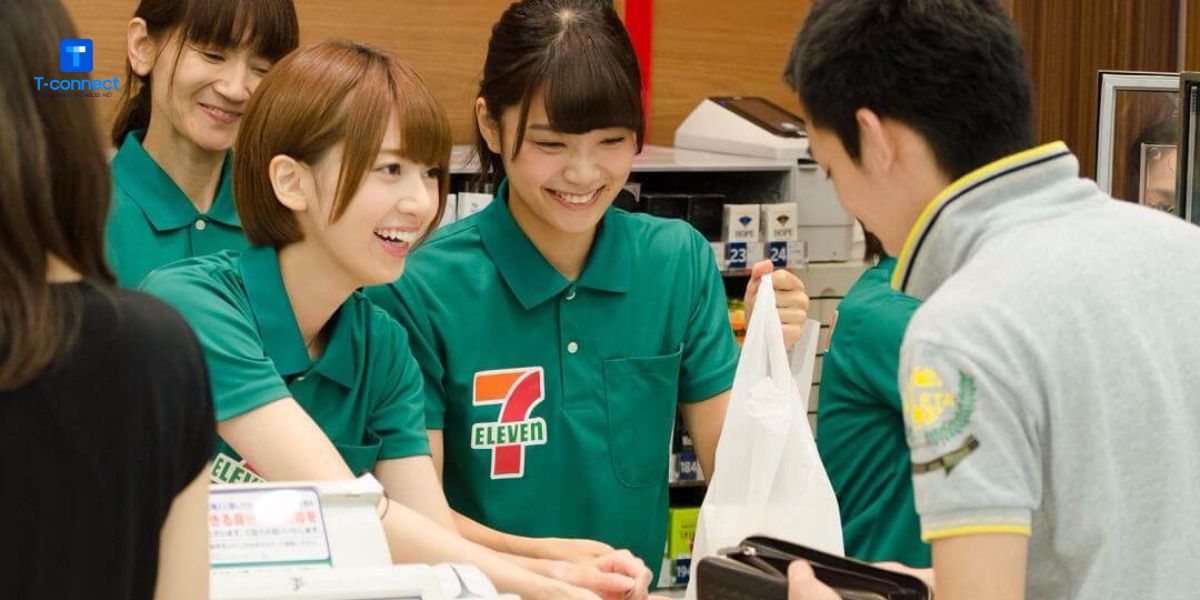
Working at convenience stores such as 7-Eleven, FamilyMart, Lawson is the top choice of many international students. This job has many outstanding advantages and is a great stepping stone for those who are just starting to learn about the Japanese labor market.
Wages range from 900-1.200 yen per hour, depending on the area and hours worked. Stores in the city center often pay higher wages, especially on night and weekend shifts.
Advantage:
- Easy to get a job, no experience required
- Flexible working hours, suitable for school schedule
- Learn many Japanese communication skills
- Friendly working environment
- Have the opportunity to be exposed to Japanese culture through customers
Disadvantages:
- Must stand a lot, can be tiring
- Need to remember many complex procedures
- Pressure during rush hour
Restaurant service
The food service industry is always short of human resources, creating many part-time job opportunities in Japan for international students. This is an ideal environment to practice communication skills and learn Japanese culinary culture.
With a salary of 1.000-1.500 yen/hour, restaurant service jobs have a good income in part-time jobs. The salary can be higher on weekends, holidays and especially in high-end restaurants.
Advantage:
- Get free or discounted meals
- Learn customer service skills
- Lots of opportunities to practice Japanese
- Dynamic, exciting environment
Disadvantages:
- Hard work, lots of moving around
- Regular working hours are on weekends and evenings.
- High pressure during rush hour
- Need to remember the menu and service

Chef, kitchen assistant at restaurant
Kitchen position is suitable for those who love cooking and want to learn about Japanese cuisine. This is a great opportunity to develop professional skills in the F&B field.
The salary for this position is quite attractive at 1.200-1.800 yen/hour, depending on experience and cooking skills. Restaurants specializing in complex dishes often pay higher.
Advantage:
- Learn professional cooking skills
- Less customer interaction
- Eat for free
- Can be developed into a main career
Disadvantages:
- Hot, humid working environment
- Physical work
- Need to learn many cooking techniques
- Pressure on food preparation time
Bento box
Working in bento factories is a popular choice, especially suitable for those who like stable work that does not require much communication.
This job offers a steady pay of 1.000-1.300 yen per hour, and may even include a night shift allowance. Many bento factories also provide free lunches to their employees.
Advantage:
- Simple job, easy to learn
- No need to be good at Japanese
- Clean working environment
- Fixed working hours, easy to arrange
Disadvantages:
- Repetitive work, can be boring
- Have to stand for many hours continuously
- Requires fast working speed
- Few opportunities to communicate and improve Japanese

Washing dishes
Dishwashing jobs in restaurants and hotels are often for those who are new to working in Japan and are not confident in their Japanese language skills.
The pay for this job is quite attractive at 1.000-1.400 yen/hour, often higher during peak hours when the restaurant is crowded. Some places also offer performance bonuses for fast and quality work.
Advantage:
- Easiest to get a job
- No need to communicate much
- Learn discipline at work
- Simple working environment
Disadvantages:
- Heavy, wet work
- Few opportunities to learn Japanese
- May cause skin damage
- Pressure on work speed
Newspaper
Delivering newspapers early in the morning is a traditional job in Japan, suitable for those who like to wake up early and want to earn extra income without affecting their studies.
Newspaper delivery jobs pay between 800 and 1.200 yen per hour, usually based on the number of papers delivered. Some companies also offer bonuses if they don't miss any addresses in their assigned area.
Advantage:
- No communication required
- Working hours do not conflict with study
- Exercise is good for your health.
- Stable salary
- Get familiar with the living area
Disadvantages:
- Have to wake up very early (4-5am)
- Difficulty in bad weather
- Need transportation
Hotel janitor
Housekeeping jobs at hotels and ryokan provide a stable income and the opportunity to learn about the Japanese hotel service industry.
The salary at hotels is quite good at 1.100-1.500 yen/hour, and you can even get tips from international guests. Some high-end hotels also have monthly performance bonuses.
Advantage:
- Learn Japanese service standards
- Little communication with customers
- Clean working environment
- There may be tips from guests.
Disadvantages:
- Physical work, requiring care
- Pressure on cleaning time
- Have to work all weekend
- High standards of hygiene required

Postal sorting
Working at Japan Post is a good opportunity to understand the modern postal system and have a stable income.
Working at the post office has a stable salary of 950-1.250 yen/hour, especially during peak seasons like the end of the year, you can get a raise or receive quite attractive seasonal allowances.
Advantage:
- Civilized working environment
- No need to be too good at Japanese
- Learn to be meticulous and careful
- Fixed working hours
Disadvantages:
- Work requires high concentration
- There are many classification rules to remember.
- Little opportunity for communication
- Pressure on processing speed
Pick up and arrange mail
Logistics work at Yamato and Sagawa Express distribution centers is suitable for those who are in good health and want to have a high income.
This is one of the highest paying jobs with 1.200-1.600 yen/hour. If working night or weekend shifts, the salary can be up to 1.800-2.000 yen/hour, very attractive for those who need high income.
Advantage:
- Exercise, improve health
- No need to communicate much
- Can work night shift with higher pay
- Learn the logistics process
Disadvantages:
- Hard work, requiring physical strength
- Can be dangerous if not careful
- Noisy environment
- Pressure on processing speed
Translation
Online or part-time translation work is suitable for international students who have good Japanese proficiency and want to develop professional skills.
Translation is the highest paying job on the list, with 1.500-3.000 yen/hour, depending on the difficulty and area of expertise. Specialized translation projects such as medical and technical can reach 4.000-5.000 yen/hour.
Advantage:
- Highest salary
- Can work from home
- Language skills development
- Build a career portfolio
- Flexible working hours
Disadvantages:
- High level of Japanese required
- Fierce competition
- Pressure on deadlines
- Need to invest in equipment and software
Regulations on part-time jobs in Japan that international students need to know
Before starting to learn how to find a part-time job in Japan, international students need to understand the legal regulations to avoid violations and ensure their rights.
Overtime work permit
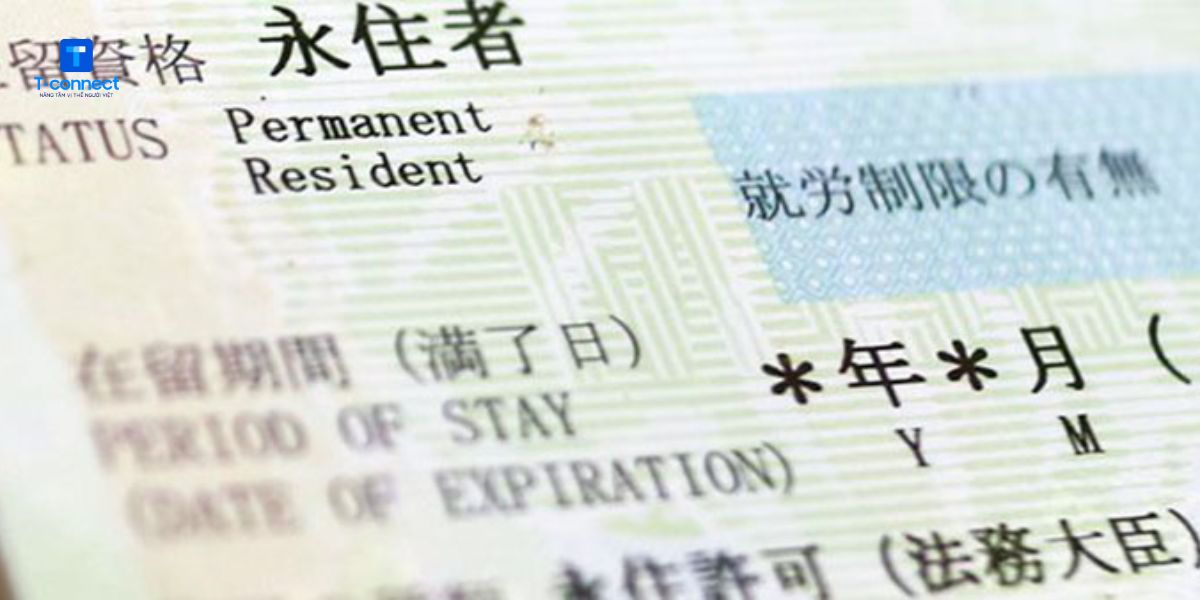
According to Japanese law, all international students who want to work part-time must apply for a “Shikaku Gai Katsudou Kyoka” (資格外活動許可) permit. This is a mandatory regulation that cannot be ignored.
The procedure for obtaining a permit is quite simple: bring your residence card (Zairyu Card), passport and application form to the nearest immigration office. The application fee is free and the processing time is usually 2-4 weeks. In some special cases, the permit can be obtained at the airport upon arrival.
Important note: Do not start working before obtaining a permit. Violation of this regulation may result in serious consequences such as deportation from Japan.
Overtime
International students are allowed to work up to 28 hours per week during school and 40 hours per week during summer vacation. This rule is closely monitored and violation can result in visa cancellation.
It is important to calculate your working hours carefully, especially when working multiple part-time jobs. Many international students do not realize that the total working hours from all jobs must be within the allowed limit.
Overtime pay
The minimum wage in Japan varies from prefecture to prefecture. In Tokyo it is currently 1.113 yen/hour, in Osaka it is 1.064 yen/hour. International students need to know the minimum wage to ensure their rights.
In addition to the basic salary, many places also have allowances such as weekend allowance, night allowance, and holiday allowance. This helps to significantly increase income from part-time jobs in Japan.
How to find an effective part-time job in Japan
Finding a suitable part-time job is the first important step. Below are the most effective methods that international students can apply.
Referral by acquaintance
Networking is the most important factor in finding career opportunities in Japan. Be proactive in connecting with senior international students and join Facebook groups of the Vietnamese community.
The advantage of this method is that you can get detailed information about the job, the working environment and even have a sponsor during the application process. The success rate is often much higher than other methods.
Through recruitment website
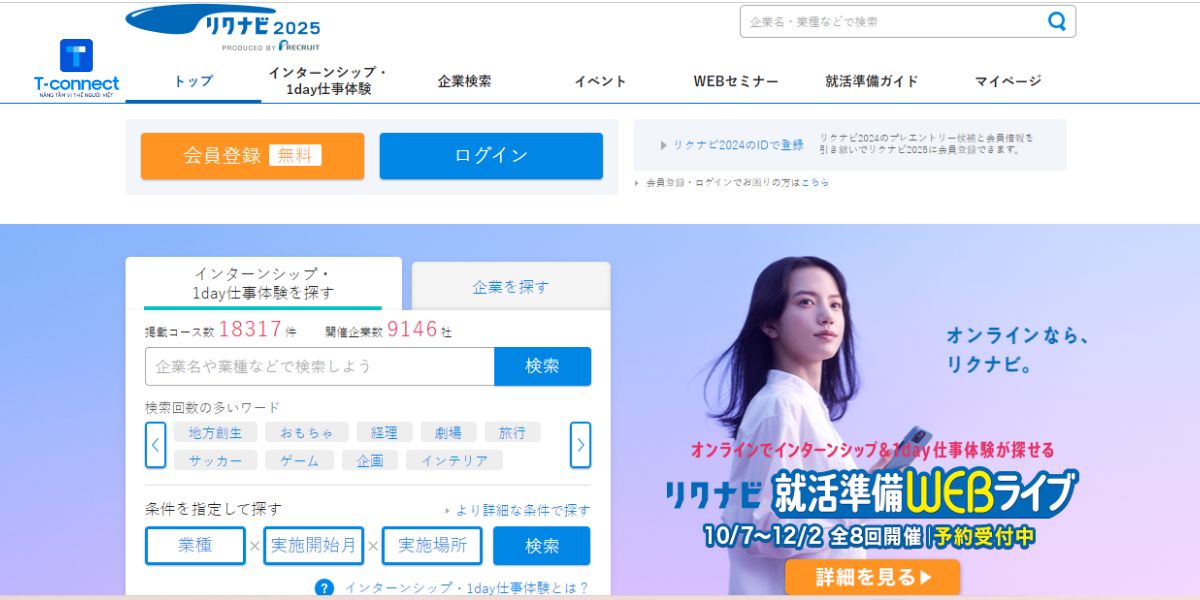
Websites such as Townwork, Baitoru, An, Jobs are the most popular recruitment channels in Japan. These sites have Japanese interfaces but are very easy to use and constantly updated.
When using recruitment websites, create a detailed profile, use relevant keywords and set up job alerts to avoid missing out on opportunities. Many websites also have convenient mobile apps for quick tracking and application.
Through job advertisement
Free newspapers such as Townwork, Domo, and An, distributed at train stations and convenience stores, are traditional but still effective sources of job information. Many jobs are only posted in newspapers and not on websites.
The advantage of newspapers is that the information is carefully screened and salaries and working conditions are often clear. Check the paper every week as the information is updated regularly.
Go directly to the store to ask
This traditional method is still very effective, especially for small shops and family restaurants. Many places do not advertise job openings but are willing to hire staff if someone asks directly.
When applying for this part-time job in Japan, pay attention to proper attire, appropriate time (avoid rush hour) and prepare your resume in Japanese.
Student support center at school or dormitory
Most universities and dormitories have services to help students find part-time jobs. This is a reliable source of information and is suitable for students' conditions.
The biggest benefit is that the jobs offered are often checked by the school for legality and working conditions, ensuring safety for students.
Experience in interviewing for part-time jobs in Japan
Interviewing is an important step in applying for a job. Here are some tips on how to interview for a part-time job in Japan:
- Dress neatly and politely: Prefer shirts, pants or simple skirts.
- polite greeting starts with “はじめまして” and ends with “よろしくお願いいたします”。
- Focus on answering briefly and clearly: You should practice introducing yourself, your schedule, and why you want to work there.
- Prepare a blank calendar: They will ask you what days of the week you are free.
In addition, you should remember common questions in part-time job interviews in Japan such as:
- Have you ever worked part-time anywhere?
- How many shifts can you do per week?
- Is it a problem to work at night?
- Why do you want to work here?
- Study and work plan?
Working part-time in Japan not only helps you improve your finances but also gives you the opportunity to learn and grow. Depending on your Japanese language ability, health, and study time, you can choose a suitable job from the list of 10 jobs above. Don't forget to learn carefully how to apply for a part-time job in Japan, practice interviewing for a part-time job in Japan, and always comply with the regulations.
T-connect is a trusted telecommunications brand in Japan, providing convenient and economical sim, wifi and internet services to the Vietnamese community. With a friendly Vietnamese support team, T-connect not only helps you connect easily but also supports important procedures when living in Japan.

T-connect & DCOM signed a cooperation agreement to enhance digital experiences for the Vietnamese user community in Japan.
On November 17, 2025, T-connect & DCOM officially signed a [...]
ANSWERS TO FREQUENTLY ASKED QUESTIONS WHEN PAYING FOR MY T-CONNECT WITH DCOMPAY
T-Connect officially cooperates with DCOM, launching DCOMPay payment method [...]
T-CONNECT CUP 2025 FOOTBALL TOURNAMENT REGULATIONS – CELEBRATION OF T-CONNECT'S 6TH ANNIVERSARY
The T-connect Cup 2025 football tournament is one of the sporting events [...]
Should I stay in Japan or return to Vietnam? 5 perspectives to help you make the right choice
After many years of studying and working in Japan, many people [...]
Which apps should Vietnamese people in Japan download? 15 essential apps when in Japan
Living, studying or working in Japan always comes with many [...]
5 tips to ship goods from Vietnam to Japan cheaply and safely
The demand for shipping goods from Vietnam to Japan is increasing, especially [...]
What do you need to prepare when converting your Japanese driver's license to Vietnam's? 7 important documents
While living and studying in Japan, many Vietnamese people have [...]
How does Japan handle waste? 5 waste treatment technologies in Japan that surprise the world
Japan is known as a country with a waste management system [...]